This week exposed a familiar imbalance. While the state signals strategic relevance, digital growth, and social inclusion, on-ground execution gaps persist.
Geopolitics Disrupting Domestic Economy
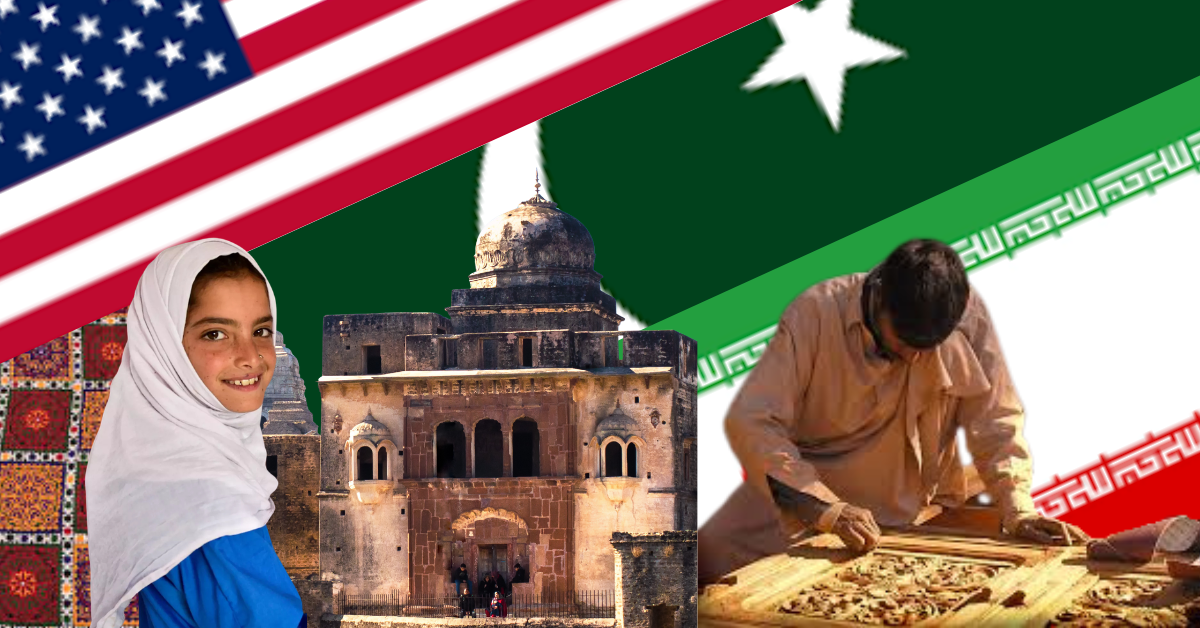
Islamabad remained under an extended security lockdown in anticipation of potential United States–Iran peace talks, with no confirmed timeline and no diplomatic breakthrough.
Key entry points into the capital were sealed, the Red Zone was placed under strict control, and commercial activity in adjacent areas was sharply reduced. Markets reported supply shortages, particularly perishable goods, as transport vehicles were held outside the city’s perimeter. Public transport disruptions left weekend commuters stranded, exposing the capital’s dependence on fluid mobility.
The uncertainty was compounded when US President Donald Trump cancelled a planned envoy’s visit, and Iran’s foreign minister departed Pakistan without making any progress. Despite this, authorities maintained full readiness.
Digital Expansion and Workforce Transition
Pakistan’s technology sector continues to generate strong macro-level signals, but it still struggles to translate growth into stable, formal employment. Pakistan’s digital economy is expanding, but its labour model is split between high-growth exports and informalized, individualised work. Without deeper industrial absorption, current gains risk remaining statistically impressive but structurally shallow.
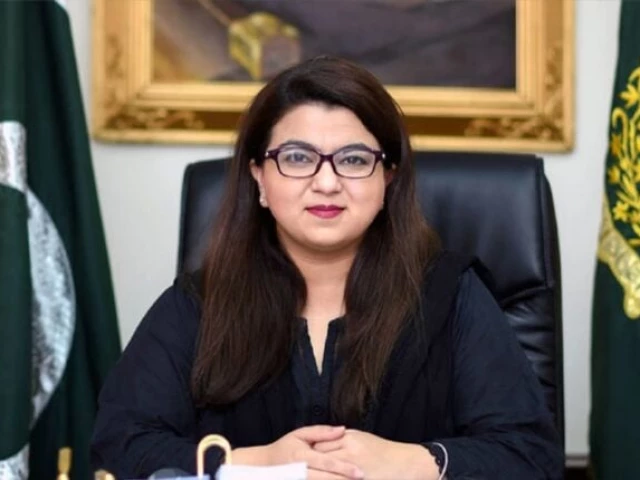
The country’s technology sector continues to consolidate its position as a credible global outsourcing hub, with growth now supported by both market demand and state-backed ecosystem building. Pakistan ranked 16th globally in the 2026 Global Outsourcing Talent Index, placing it in the top 9% and reinforcing its competitiveness in cost, talent availability, and service delivery. Minister for IT Shaza Fatima Khawaja described the sector as expanding at “around 20% annually,” with further gains expected but contingent on infrastructure upgrades, including fibre expansion, resource allocation, and regional connectivity.
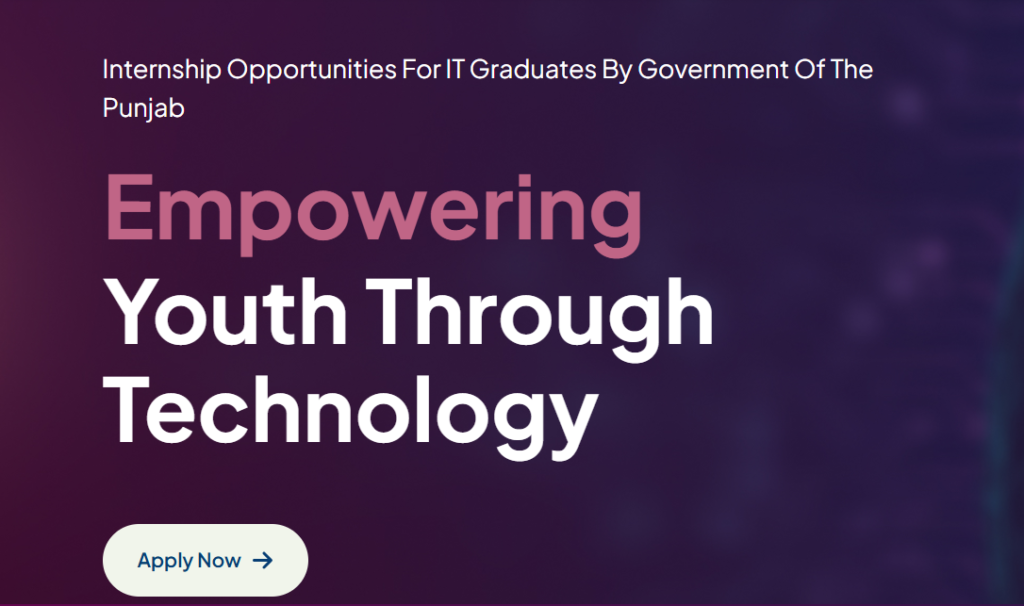
Policy efforts this week indicate a shift from passive growth to active workforce shaping. Punjab’s IT Internship Programme, offering Rs. 50,000 stipends, reflects a structured attempt to align graduates with industry needs through direct firm exposure. Rather than signalling a gap, such programmes suggest maturation of an economy beginning to formalise its talent pipeline. This programme is explicitly designed to “bridge the gap between academic learning and industry requirements.” The language is incriminatory; Pakistan is producing graduates faster than the market can absorb them.
Freelancing remains a defining strength, with over 2 million freelancers and export earnings of approximately $856 million in the first 9 months of FY2025–26. Pakistan has built one of the largest independent digital workforces in the region, and this model has enabled rapid income generation, particularly for youth, while bypassing traditional employment bottlenecks, but largely outside formal labour protections, career progression structures, or long-term stability.
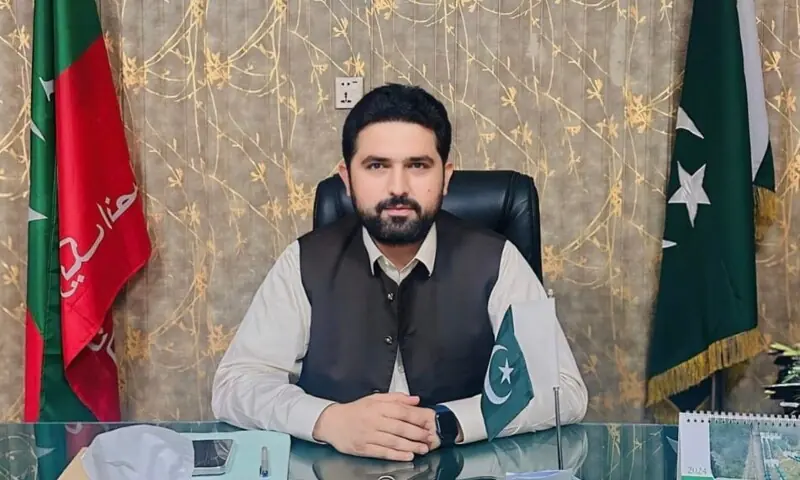
Parallel efforts in Khyber Pakhtunkhwa focused on accelerating worker registration and expanding the authority of labour courts. This is a push for expanded worker registration and stronger enforcement of labour reforms. The KPK Chief Minister’s directive that minimum wage compliance is “non-negotiable” underscores a recurring issue in Pakistan’s labour market of the lack of enforcement of existing policies.
Expanding Access to Inclusion
Inclusion in Pakistan is moving from principle to practice. While scale remains a work in progress, the direction is clear: institutions are beginning to create entry points, and individuals are increasingly stepping into them.
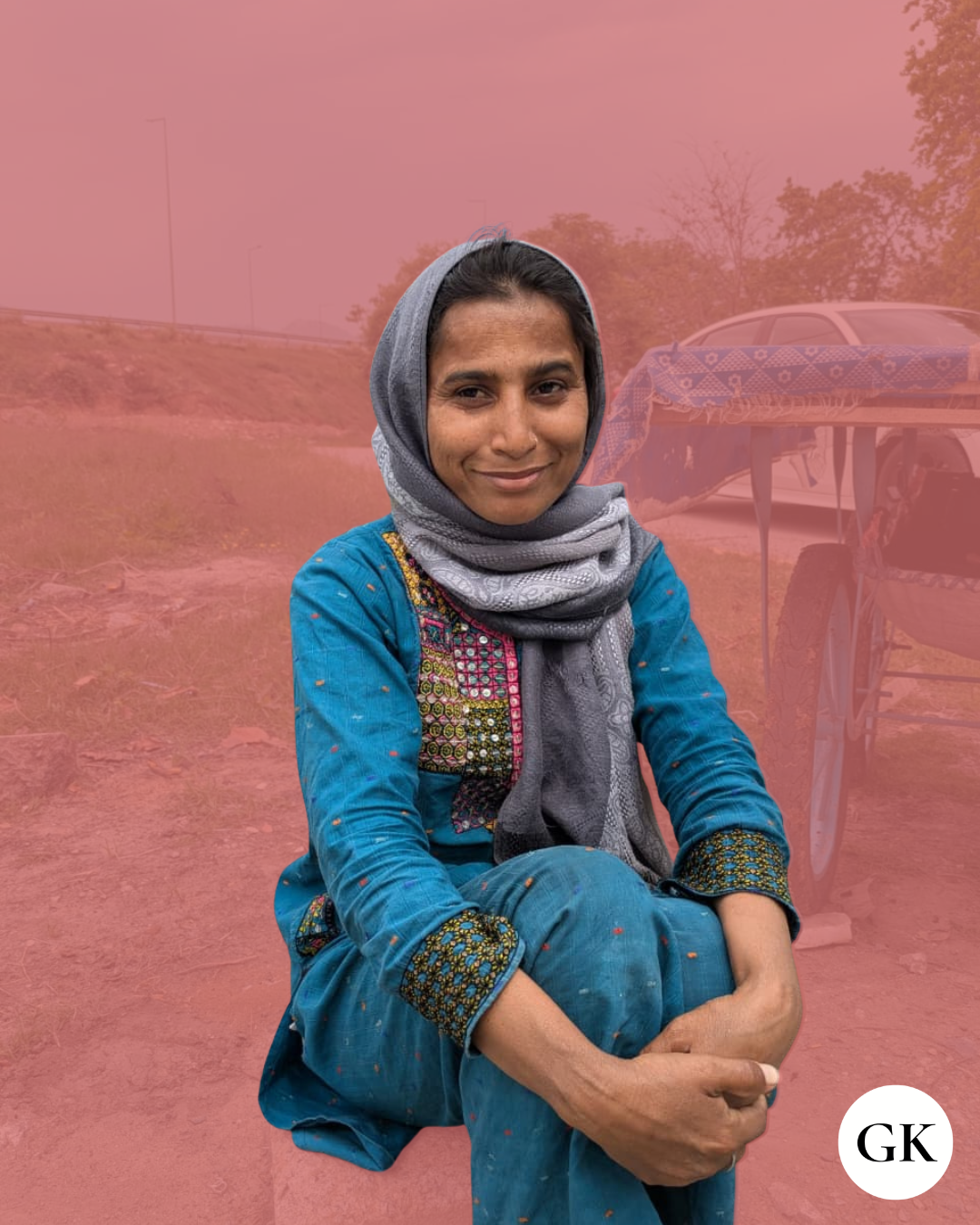
In Khyber Pakhtunkhwa, the appointment of a transgender warder marks a significant breakthrough. Officials emphasised that the candidate “met every benchmark: the physical test, the written exam, and the interview panel . . . merit, not mercy.” The distinction reframes inclusion as participation within existing institutional standards.
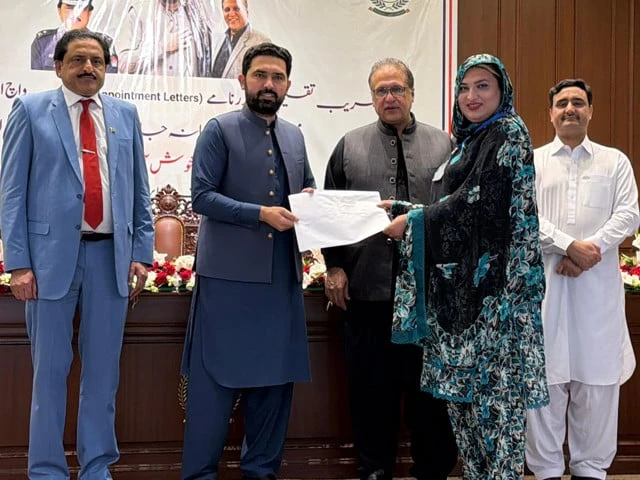
However, despite 18 positions allocated under the transgender quota, uptake remained low, with officials citing lack of awareness as a primary constraint. A statement from Sobia Khan, the newly appointed warder, captures the social barrier that policy alone cannot resolve: “They laughed when I filled the form… I applied anyway, because hope is a decision”. This statement captures a shift in individual agency alongside policy provision.
In Gilgit-Baltistan, women’s participation in the upcoming assembly elections remains limited in proportion but not insignificant in terms of presence. 19 female candidates entering a traditionally male-dominated political space signals a slow diversification of the electoral base.
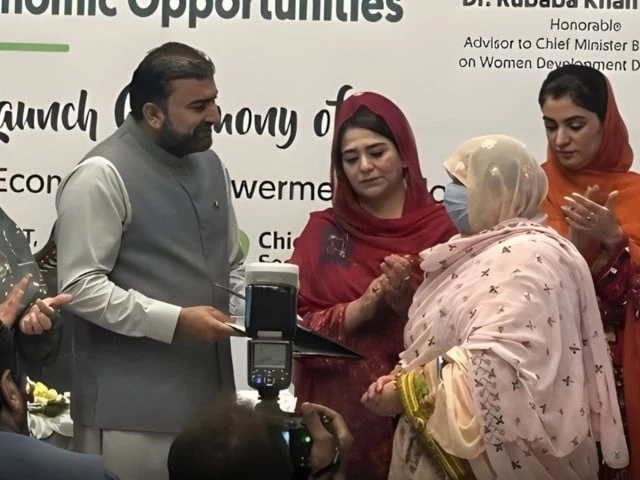
In Balochistan, the Gwadar Women Bazaar offers a state-enabled model of economic inclusion. Framed as a “transformative initiative” by Chief Minister Mir Sarfraz Bugti, the project creates a controlled space for female entrepreneurship, with 14 shops featuring locally produced goods. By creating a dedicated commercial platform for female entrepreneurs, the state is enabling market access rather than relying solely on policy guarantees. Early activity in the bazaar suggests both demand and readiness among participants.
This week’s developments reflect a gradual but tangible expansion of access for historically underrepresented and marginalized groups, with institutions beginning to operationalise inclusion rather than simply endorse it. Inclusion efforts are becoming more visible and policy-backed, but structural barriers, social norms, awareness gaps, and limited institutional reach continue to restrict meaningful change.
Building Momentum in Strategic Technologies
Pakistan’s technology pushes this week reflect a dual strategy: incremental rollout in domestic infrastructure and high-visibility advances in frontier sectors. The focus is shifting from isolated milestones to building capabilities that can support long-term innovation and economic integration.
The approval of 5G trial preparations in Gilgit-Baltistan shows intent to extend next-generation connectivity beyond core urban markets. With multiple operators expected to begin testing ahead of a future spectrum auction, the move is positioned as a step toward digital inclusion. A PTA official said that the authority would issue directives to four telecom companies to start preparing for trials ahead of the 5G spectrum auction in GB.
Pakistan’s EO-2 satellite was launched from China in February this year, but the deployment of the EO-3 satellite marks a more substantial leap forward. Developed by Suparco and also launched from China, EO-3 incorporates a multi-geometry imaging system, advanced energy storage, and an onboard AI-powered processing unit capable of real-time analysis. Officials described the mission as evidence of “growing scientific capability,” while progressing towards the ambition to deepen Pakistan’s presence in the space sector. More importantly, EO-3 reflects increasing domestic competence in designing and integrating complex, high-precision systems.
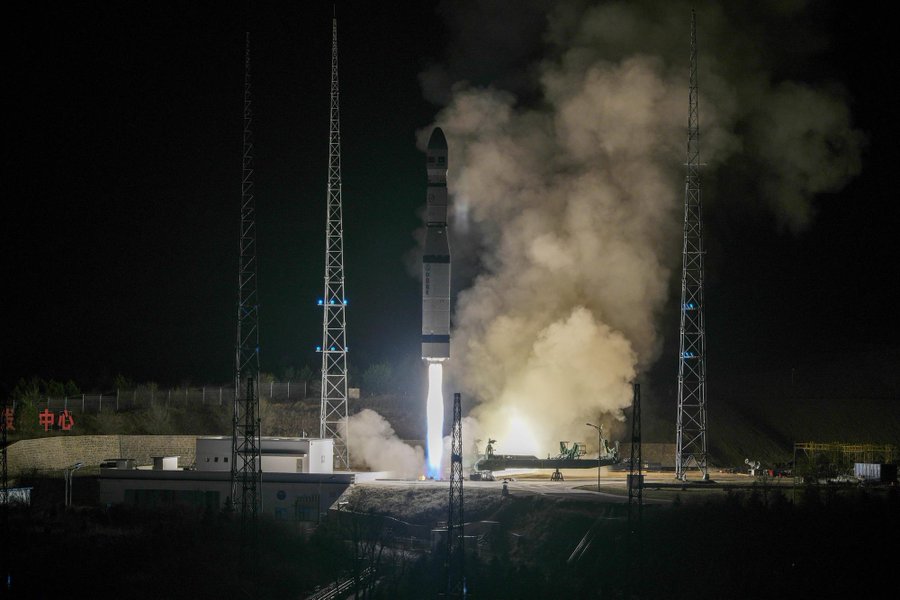
The satellite moves beyond passive observation to active, onboard data processing, aligning with global shifts toward edge computing and intelligent systems. EO-3’s high-resolution imaging can identify individual vehicles, buildings, and crop plots, allowing for real-time insight. Applications range from monitoring crop health, soil moisture and tracking urban expansion. In practical terms, this supports more responsive disaster management, improved agricultural planning, flood prevention, and environmental monitoring, driven by frequent, up-to-date imagery across critical regions.
Where We Stand
Across these themes, the pattern is one of progress rather than stagnation. The state is advancing on multiple fronts while still managing the constraints of scale and execution. Whether in labour markets, inclusion, or technology, progress is visible, and the direction is increasingly coherent. The challenge now lies in sustaining and expanding these gains.

The Gully Kahani Team approaches storytelling as lived observation, blending on-ground reporting with narrative depth and cultural analysis. Each article is shaped through careful research, street-level perspectives, and a commitment to capturing the layered realities of urban Pakistan. The editorial voice prioritizes nuance over simplification, tracing how history, culture, and everyday life intersect in meaningful ways.