Caught between faith, family, and ambition, a teenager from Lyari turns pressure into voice.
Lil Killy is not chasing fame; he is demanding to be heard.
Lyari comes preloaded with warnings and an inherited fear. For many outside Karachi, it exists as shorthand for gang violence, instability, and deprivation. Lil Killy acknowledges this narrative with a disarming clarity. Some of what people say about Lyari, he admits, is true. Things have happened there that make outsiders afraid to enter.
There is no flinch in his voice or an attempt to soften the blow for an outside audience. When asked where he lives, he answers curtly: Lyari Town.
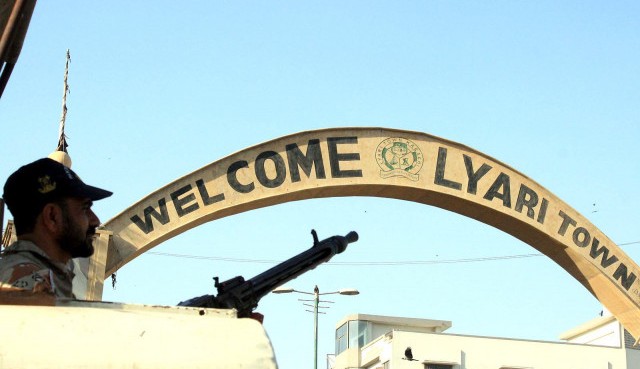
Lyari is a lived environment, and more importantly, a shared identity. The people of Lyari, he insists, are proud to be from there. That pride is as much survival logic as performative bravado. In places that are persistently misrepresented, pride becomes a form of resistance.
For Abu Huraira, the sixteen-year-old boy behind Lil Killy, Lyari is a formative environment. It has shaped how he understands pressure, possibility, access, and limitation. It determines what he sees daily and how he reacts. Lyari is the condition that produces urgency, and that urgency, in turn, becomes the engine of his art.
Lil Killy does not “represent” Lyari in the way artists are often expected to represent marginalised spaces. He does not claim to speak for anyone, but his work emerges from Lyari so directly that it cannot be separated from it. His environment is a constant presence, not a mere influence.
The Persona
Abu Huraira’s entry into hip-hop began with the curiosity every teenager exhibits: a lip-sync video to an Indian rap track thought of as a casual, disposable post on TikTok. However, when he showed it to a friend, his confidence stood out. The friend recognised an instinctive command over performance and told him to try rapping himself.
Encouragement often functions as an origin myth in artist narratives, but Lil Killy resists that framing. When asked about inspiration, he does not credit a singular figure for “making” him an artist. Instead, he says his inspiration is himself.
It would be easy to misread that as arrogance, but what he describes is a shift. At the beginning, there was interest and curiosity, some motivation, but not nearly enough to sustain a discipline. The turning point came when he became acutely and unavoidably conscious of his circumstances living in Lyari.
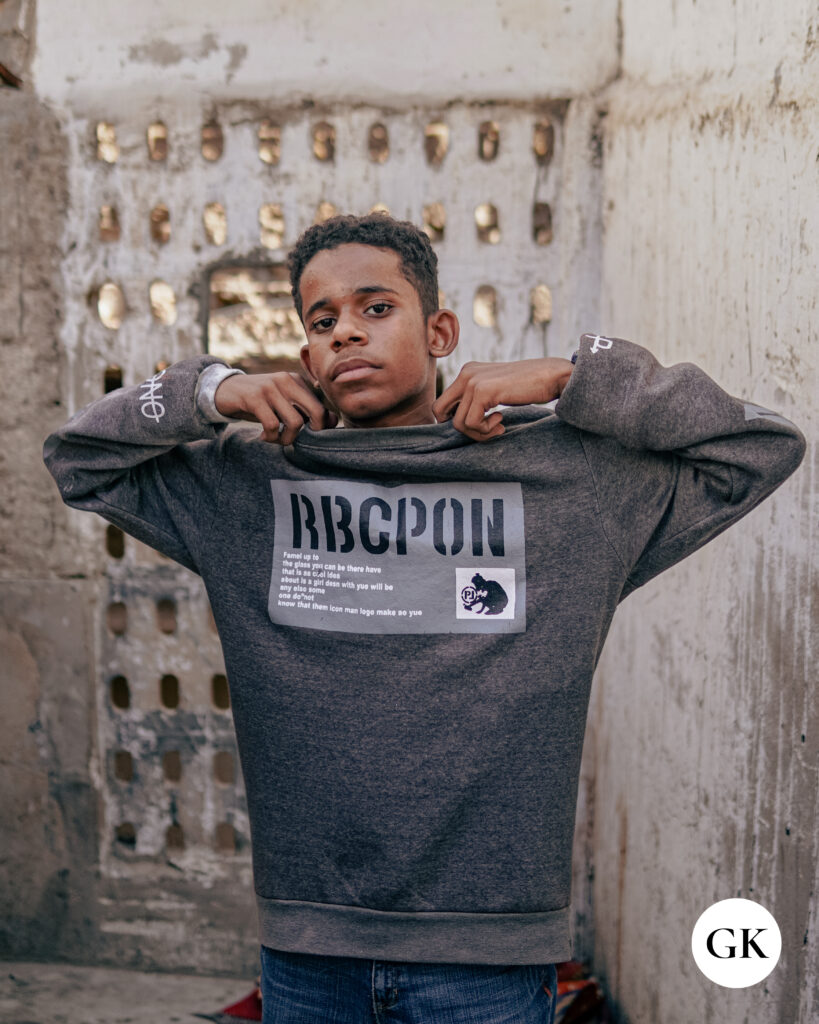
This awareness clarified the stakes of the trajectory his life would follow if nothing changed. “It made me junooni,” he says, with a bluntness that strips away any temptation to aestheticise the moment. There is no poetic epiphany, just a boy’s recognition that stagnation had dire consequences. Lil Killy does not want for self-expression; rap, for him, emerged as a response to his environment, as a way out, or at the very least, a way forward.
His influences reflect the duality between aspiration and proximity. He looks up to Talha Yunus, an established figure within Pakistan’s hip-hop landscape, but his most immediate influence is closer to home: his cousin, Anas, a rapper known as Anch Killy.
If Talha Yunus represents what is possible, Anas represents what is accessible.
Lil Killy’s persona is an amalgamation of lived relationships and shared ambition. The confidence that appeared in his early lip-sync video was a glimpse of something latent; rap just gave it structure.
Hip-hop as Morality
Lil Killy states that hip-hop is a framework for understanding truth, and he does not define the genre as rhythm or rhyme. “Hip-hop means honesty”, he says, where lived experience is articulated without distortion. He positions rap as revelation, not entertainment.
His approach is unusually serious as he aligns himself with an ethical principle. If hip-hop is about truth, then engaging with it becomes a moral decision. In his words, it is choosing the “right path.”
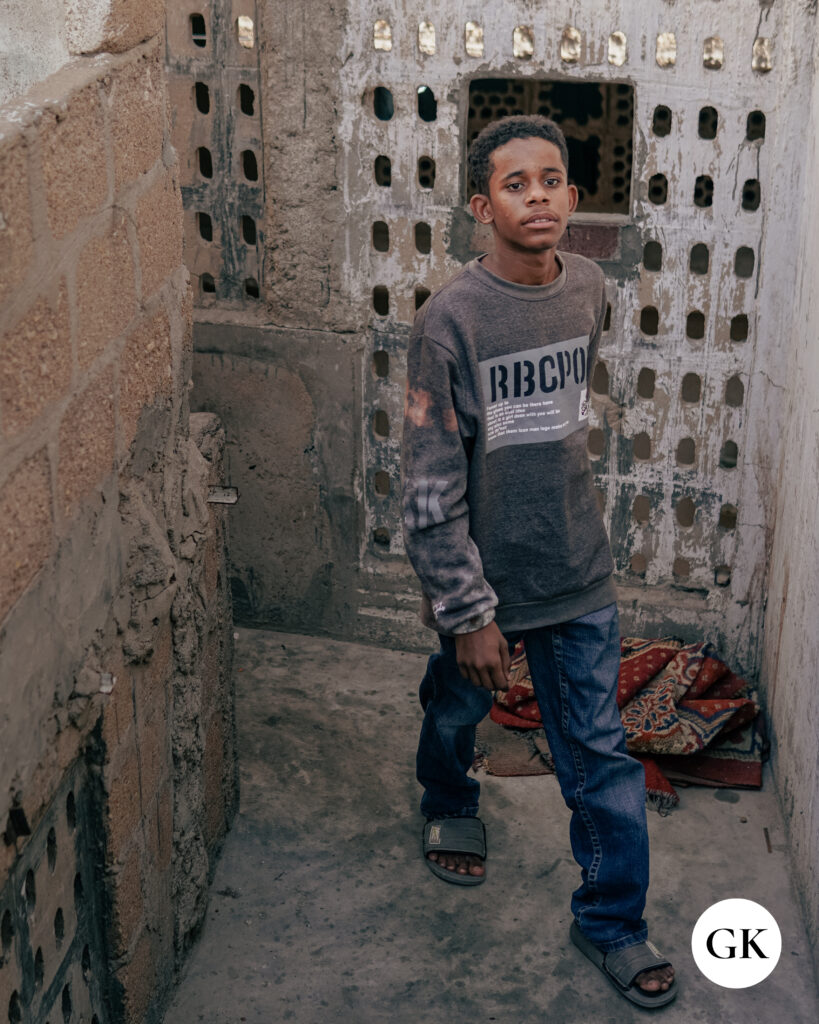
There is a naïve idealism in that framing as he tends to organise the world in binaries: truth and falsehood, right and wrong, authenticity and performance. In this structure, artists who “show reality” occupy one side, while those who construct illusions occupy the other. It is a worldview that leaves little room for ambiguity. This absolutism surfaces clearly in his writing:
“Welcome to reality show,
ab mein karoon ga reality show,
badal doon ga teri ghinoni soch,
this is a reality show…”
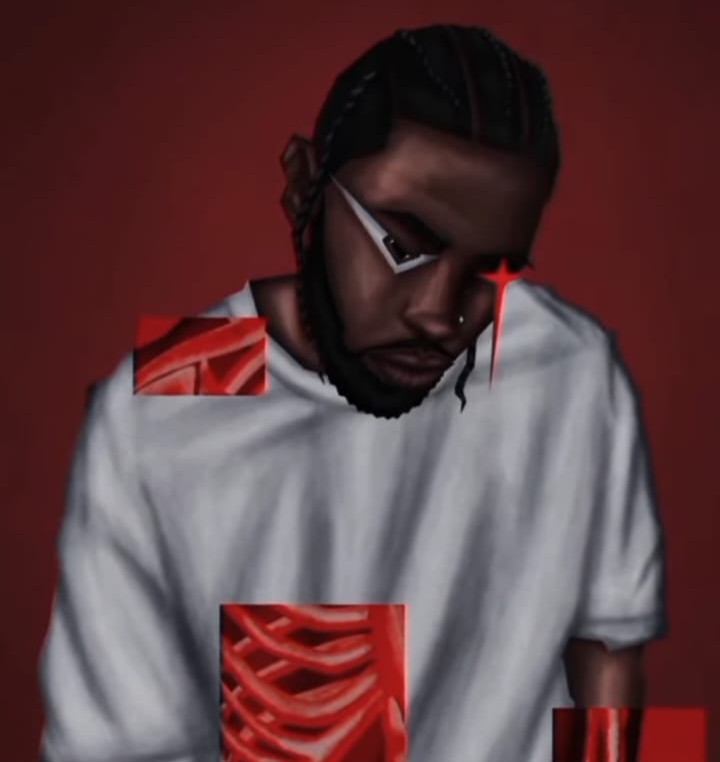
This verse operates as both a statement and a critique. The “reality shows” he refers to on television and in entertainment media are, in his view, scripted distortions. They present curated versions of life, exaggerated for consumption and entertainment. Hip-hop, by contrast, is positioned as an unadulterated show of reality. Instead of simply claiming his music is authentic, he argues that other forms of “reality” are inherently false. His verse becomes a taunt aimed at mainstream entertainment and artists who, in his opinion, adopt fake personas.
In Lil Killy’s artistic self-conception, he is actively correcting perception, exposing what lies beneath surface narratives.
He speaks as if his perspective has explanatory power: that by expressing his reality, he can alter how others understand theirs. His verses are a declaration more than they are an observation. They carry the urgency of someone who believes what he is saying is true.
Faith and Friction
While hip-hop provides moral clarity for Lil Killy, his home environment muddies it. Abu Huraira’s family is not musically inclined; instead, they are deeply religious and maintain a structured, disciplined Islamic practice in which prayer is routine and conduct is regulated. Within that framework, music, particularly rap, does not immediately register as a legitimate pursuit. The initial response to his interest in hip-hop was intense resistance and judgmental questions framed as concern: What are you doing? We are Muslim. Why are you making music? Why are you loitering?
These objections were rooted in a worldview where music, especially hip-hop, sits uneasily with religious expectations. For a sixteen-year-old, and notably the only son in his immediate family, that opposition has the potential to sway his motivation.
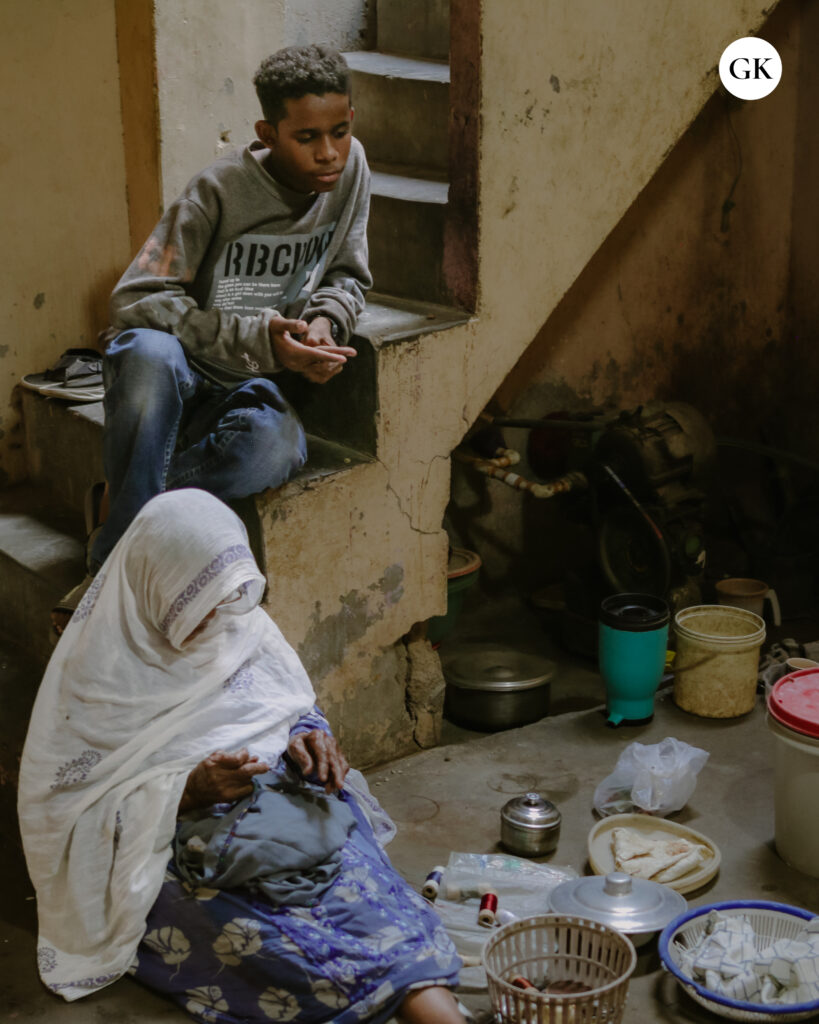
Lil Killy’s response was not rebellion in the conventional sense. Instead of confronting his family directly, he chose to conceal his efforts to pursue a career in hip-hop. He hid his work, recorded without their knowledge, and released his first official track without his family ever hearing it. He created a total separation, with his artistic life running parallel to his domestic one.
The rupture suddenly arrived when his work forced its way into the open. A video of his cyphers went viral on Instagram, even receiving praise from Talha Anjum. Once he could no longer hide, the internet revealed him to his family by surfacing what was meant to stay private.
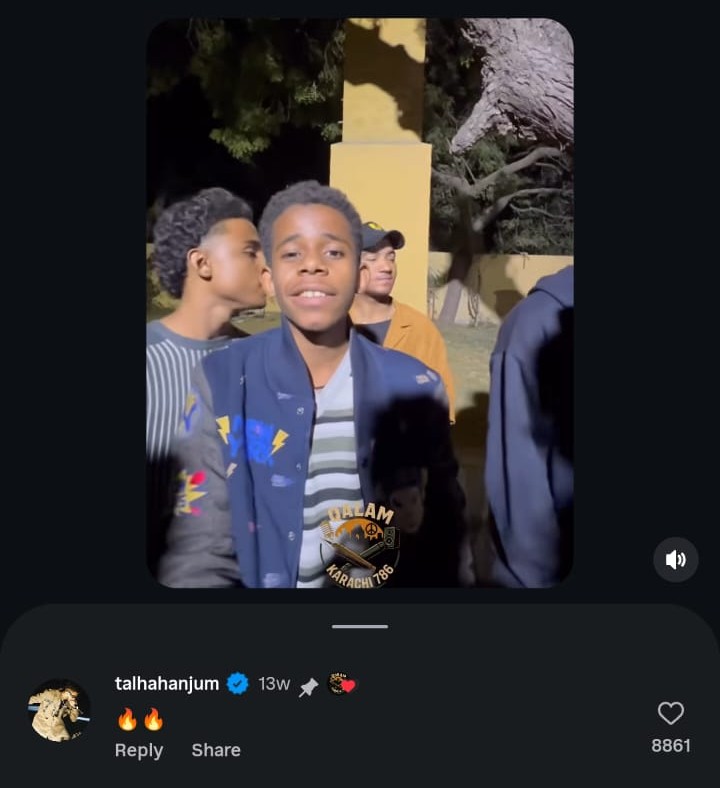
This moment brought forward a change: recognition, even minimal, that began to soften resistance. When his art attracted attention and began to generate income, the framing of his family’s opposition changed. What was once dismissed started to be tolerated, if not fully accepted. Abu Huraira’s parents still tell him to stop pursuing hip-hop, and the underlying conflict remains unresolved. For this sixteen-year-old boy, acceptance is conditional, yet, he persists.
Writing, Production, and Anas
Resistance is only one facet of Lil Killy’s environment. He also draws steady support from his cousin, Anas, though the term “cousin” feels incidental. Lil Killy refers to him as his brother, and the distinction quickly becomes irrelevant.
Before Anas, Lil Killy’s creative process lacked structure. He would write constantly, but would lose lyrics scattered across scraps of paper. He struggled to find beats and to translate words into complete compositions. There was momentum, but no system for producing output. Anas would prove himself pivotal here.
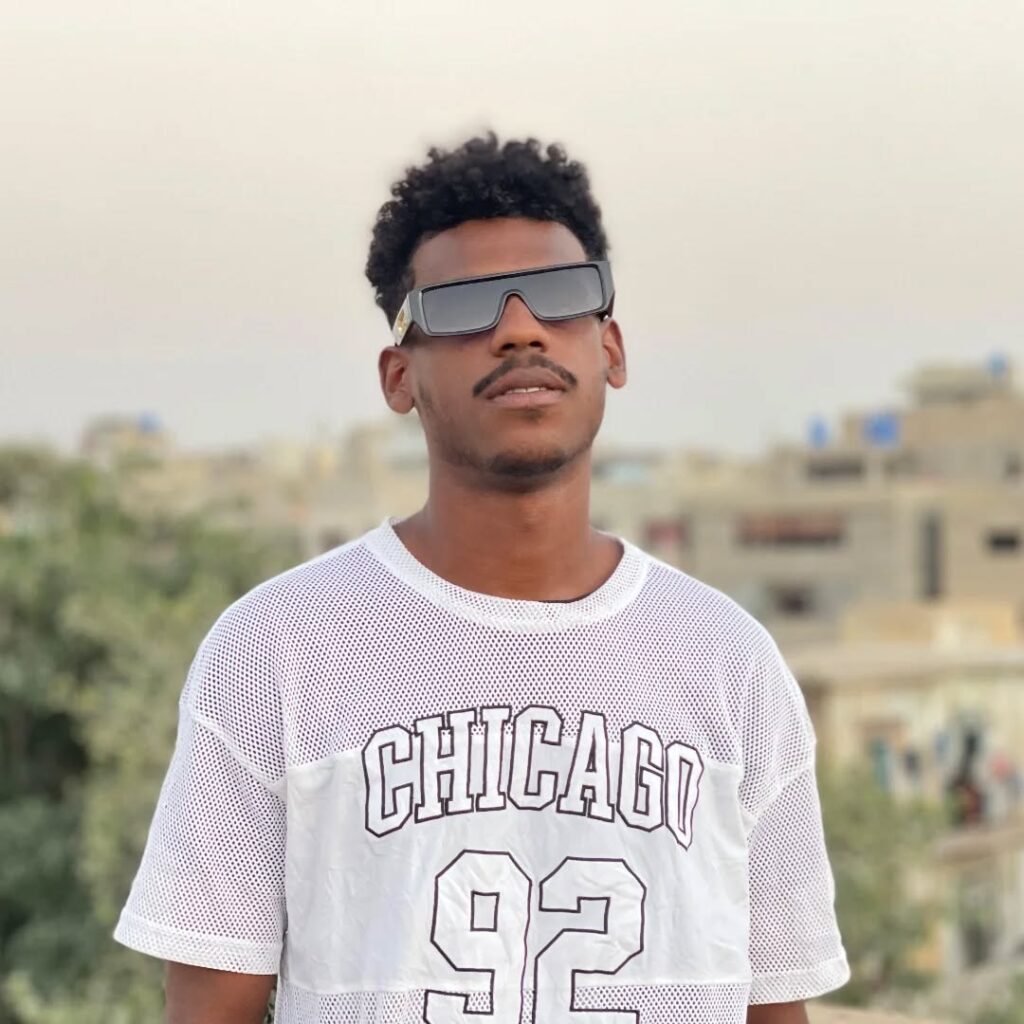
Having trained in music production at the Arts Council of Pakistan in Karachi, Anas brought both technical knowledge and discipline. He taught Lil Killy how to produce, record, and refine his craft. Together, they built a foundation where none existed. The boys found a small studio space in their neighbourhood and scavenged for basic equipment, with every earning reinvested into their music production facilities. In Lyari, where resources are scarce and financial constraints make even modest ambitions difficult to sustain, this act of building demonstrates entrepreneurial spirit.

Lyari is not without a hip-hop presence. Artists with modest followings and collectives such as Lyari Underground have carved out their own visibility. However, this ecosystem does not easily welcome newcomers; it offers no clear pathway, structured support, or reliable infrastructure for a young artist to enter or grow within. Existing efforts are scattered and sustained despite the environment, not because of it.
Anas and Lil Killy are constructing their own hip-hop ecosystem from the ground up.
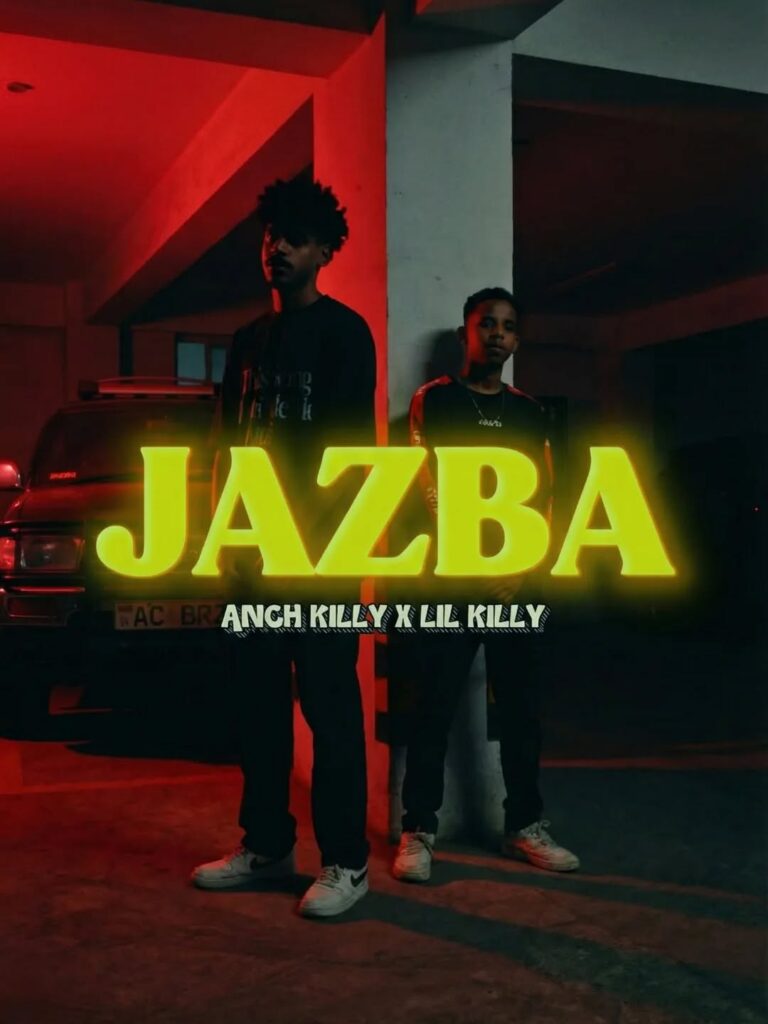
What Anas provides is infrastructure; something largely absent in Lyari’s relationship with hip-hop. In that vacuum, their small studio space is proof of possibility, and a refusal to let circumstance dictate the scale of their ambition.
Anas and Abu Huraira’s collaboration is taking shape as an emerging micro-scene. Every beat they produce and every piece of equipment they upgrade through reinvested earnings contributes to a growing framework. As they refine their own craft, they also lay down the foundations that could allow others to follow. Lil Killy is building a space where the aspiration of “making it” as a rapper becomes imaginable in the first place. While Anas is a mentor figure in that process, he is also a co-architect.
The Boy Behind Lil Killy
For all the certainty of Lil Killy the artist, Abu Huraira, the sixteen-year-old boy, is marked by doubt. This becomes most visible in a single line, the one he went viral for:
“Mein achhay baap ka bigra beta.”
The tension is immediate, a contradiction compressed into a bar.
When asked to explain, he sets himself aside and begins with his father: a man working in Dubai, described by his son as pious and disciplined, a devout Muslim who prays five times a day. He does not fight, does not swear, nor does he lie. In Abu Huraira’s description, his father is a respectable, morally consistent man.
When Abu Huraira compares himself to his father, he finds he falls short.
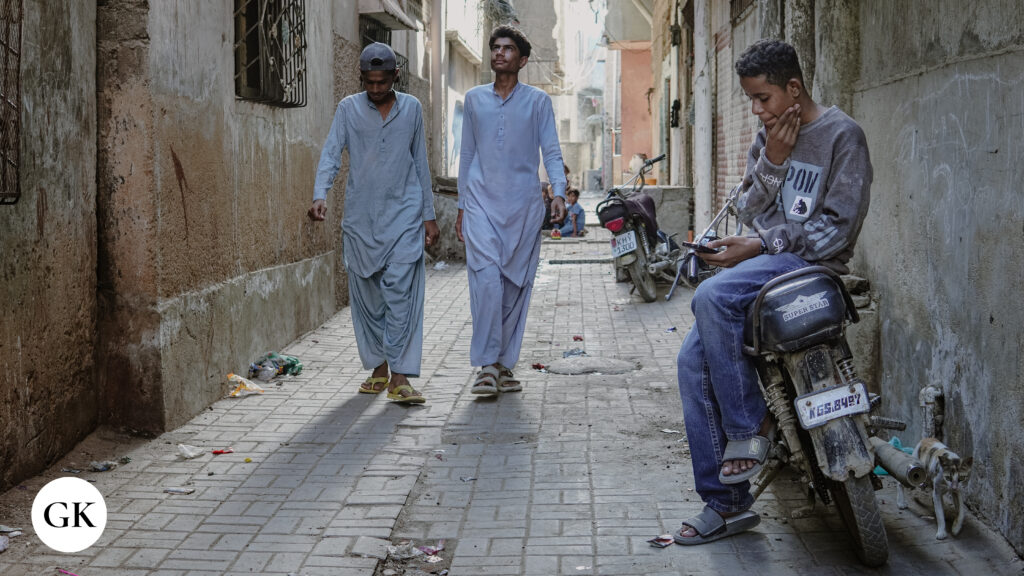
He does not meet his father’s standards; he does not pray as he should, and he engages in behaviours he categorises as “bad.” The label “bigra hua” does not emerge from a specific act, but from a perceived deviation from an ideal. What is striking is not the admission of flaws, but the difficulty in articulating them. The judgement exists, but its basis is set in internalised expectations.
When asked to identify his strengths, the contrast becomes absolute. This question is met with silence and hesitation.
“What can I say…”
Where flaws come readily, identifying strengths requires effort.
He eventually offers a few positive aspects after some probing: respect for elders, kindness towards children, and equal treatment regardless of age. These may be trivial qualities for Abu Huraira, but under scrutiny, they indicate social awareness, humility, and ethical grounding. However, Abu Huraira presents them as afterthoughts, as if they do not carry the same significance as his perceived shortcomings.
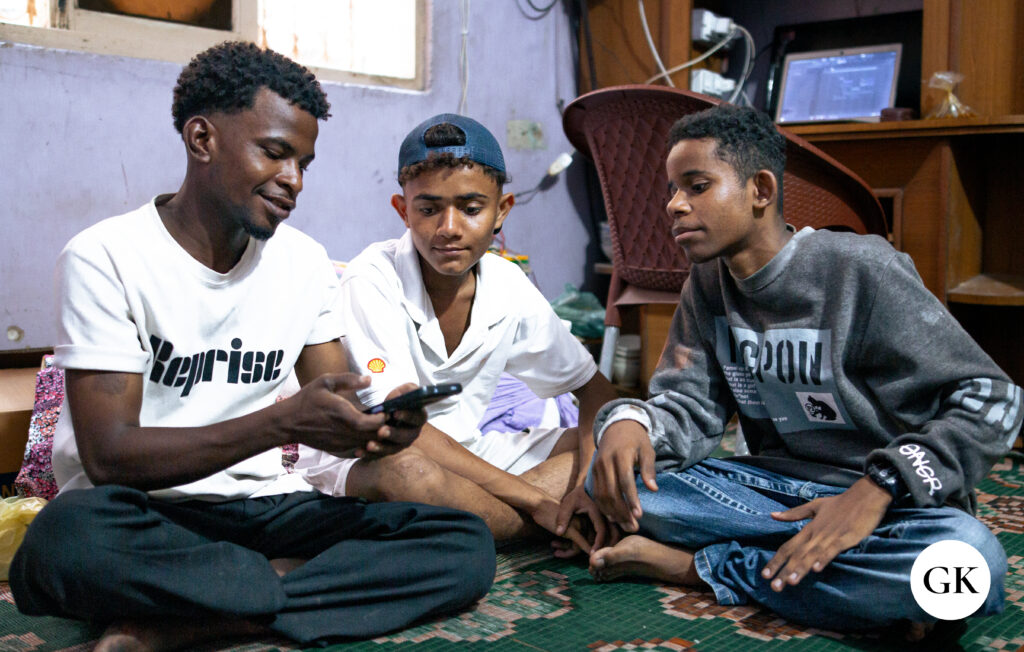
The Split Between Artist and Individual
When asked to describe the relationship between the two identities, he laughs. “Lil Killy and Abu Huraira are separate personalities,” he says. Lil Killy is confident, assertive, and certain. Abu Huraira, in his own words, is “a sweet kid.” Confidence belongs to the artist and is activated through performance.
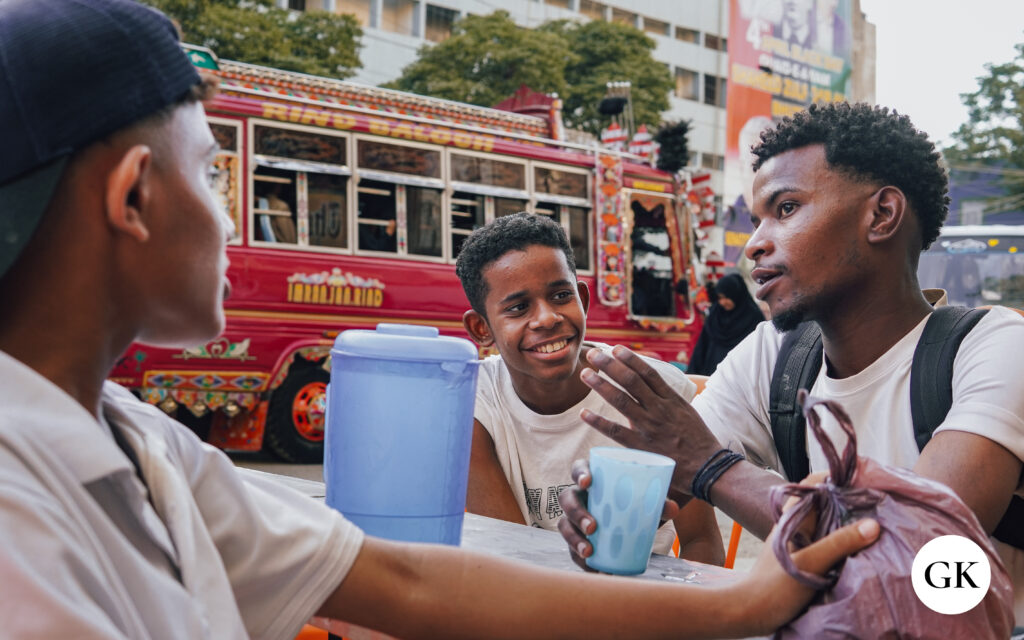
This is where his repeated use of the word ghuroor, pride, or perhaps more accurately, controlled arrogance, becomes consequential. It is summoned, not constant. It appears when needed, when rapping demands authority. Without it, Abu Huraira suggests, participation in hip-hop would not be possible. In his view, the genre requires the ability to assert truth with conviction. Hesitation and self-doubt are incompatible with the art form and are a pitfall for the artist.
“Hip-hop isn’t for those who are weak-willed,” he states, “you need to be intelligent enough to understand the words, and confident enough to speak your truth.”
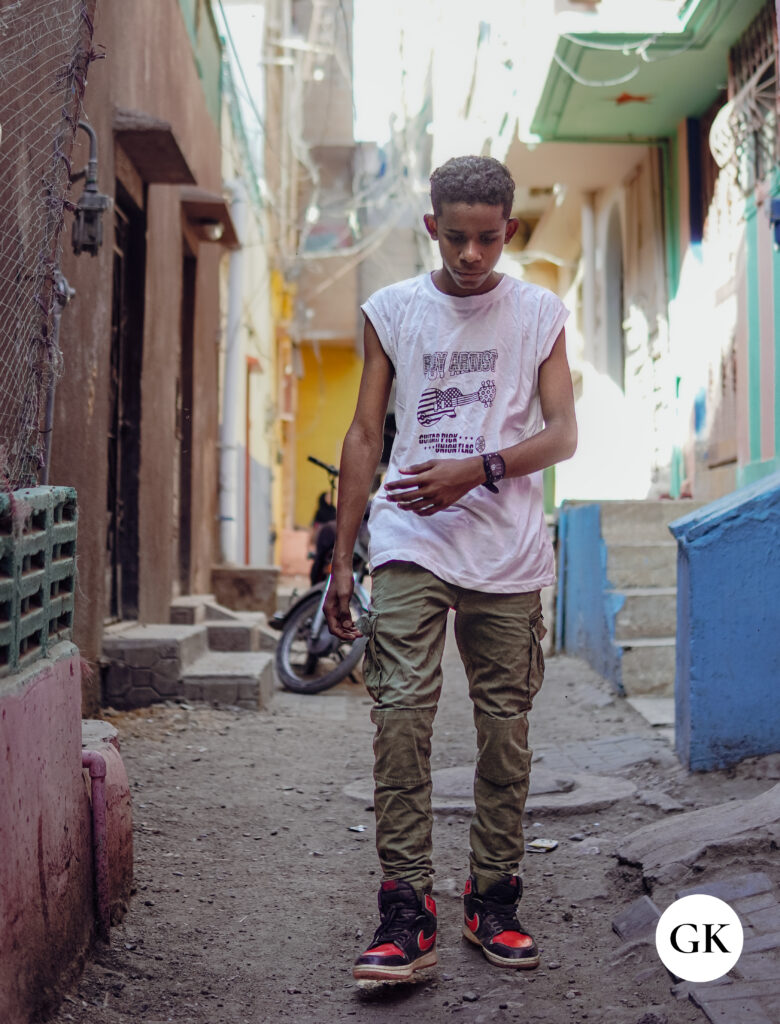
He acknowledges that this confidence is situational. Outside of music, there are moments of dejection and uncertainty. The persona holds vulnerability without eliminating it completely.
Lil Killy a mechanism of accessing certainty where it is unavailable to Abu Huraira. The bravado is constructed intentionally.
What Success Means
Given this internal architecture, it is not surprising that his definition of success diverges from conventional metrics. Lil Killy does not want for money or fame. Instead, he offers a phrase that feels abstract:
“Success is hip-hop.”
A strategic logic also underlies the idealism. “The more you chase success,” he says, “the further it runs away from you. Make yourself so capable that success chases after you.”
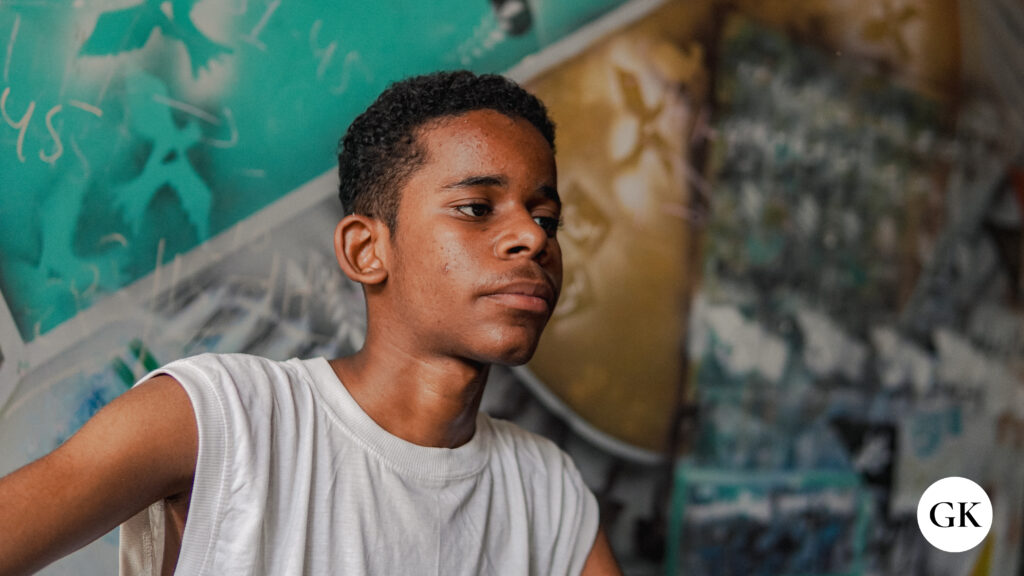
It is a rejection of performative ambition in favour of capacity-building: mastery first, recognition later. At sixteen, this orientation suggests a long-term view, even if he does not express it in conventional terms. He speaks of performing on a large stage within a year, but beyond that, his goals remain deliberately open-ended. Everything leads back to hip-hop.
The Album: What’s Up
His upcoming album, What’s Up, consolidates his ideals. The central theme aligns with his broader philosophy of showing reality as he experiences it. The songs draw directly from his environment, responsibilities, and internal conflicts.
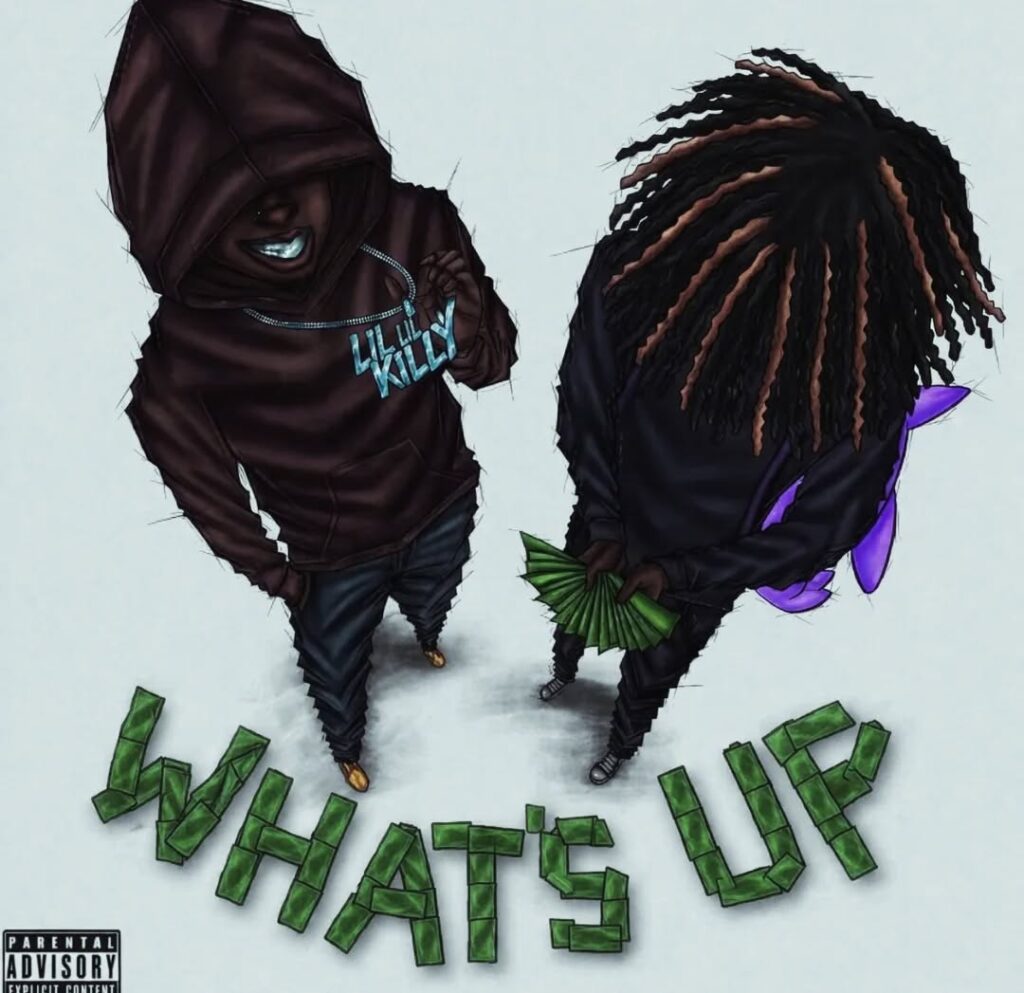
There is an insistence on honesty. What he presents is, in his view, a direct translation of lived experience without exaggeration or fabrication. There is also an underlying belief that while circumstances differ, the emotional core of the human experience is one and the same. Pressure, responsibility, frustration, aspiration; these are not unique to Lyari. They are universal, even if expressed differently.
A Boy’s Message
At the centre of all this is a simple yet heavy reality: Abu Huraira is carrying responsibilities that typically come much later in life. In the absence of his father, the roles shifted, and expectations fell on a young boy. Abu Huraira speaks of becoming the man of the house while still a child and navigating responsibilities that don’t match his age. He said this plainly and matter-of-factly; there was not a hint of complaining in his tone.
However, the weight of his responsibilities is evident. Lil Killy, the artist, becomes the medium of expression; what burdens the boy carries, the artist articulates. This is why his work feels necessary. And despite the pressure, opposition, and the internal conflict, he is clear about one thing:
He will not give up on being a hip-hop artist.
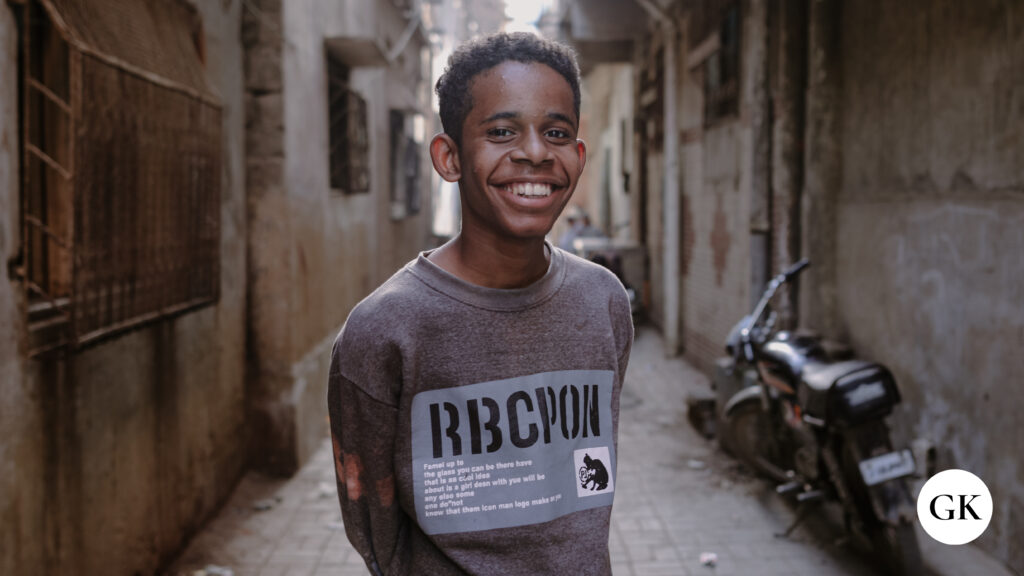
Lil Killy operates on a belief that is both unassuming and ambitious: that his reality, in some form, is shared. Not in exact detail, but in emotional structure. He believes the pressures he feels, the contradictions he navigates, and the aspirations he holds are relatable and recognisable to others.
Abu Huraira’s art goes beyond self-expression as he creates to be understood and to inspire others to recognise themselves. His work has a rawness, as his ideas often outpace his technique; his certainty can harden into rigidity, and some may see his self-belief as self-righteousness. But beneath the surface lies something difficult to manufacture: sincerity and authenticity.

The Gully Kahani Team approaches storytelling as lived observation, blending on-ground reporting with narrative depth and cultural analysis. Each article is shaped through careful research, street-level perspectives, and a commitment to capturing the layered realities of urban Pakistan. The editorial voice prioritizes nuance over simplification, tracing how history, culture, and everyday life intersect in meaningful ways.