As Pakistanis, we are relentless in our critique, almost instinctively cynical about the state, its systems, and its direction. Yet, every so often, the same landscape produces moments that interrupt that cynicism.
This week unfolded a region on edge: conflicts simmering across borders, fuel prices rising under the shadow of the Iran–United States conflict, and familiar anxieties resurfacing at home. And yet, within that noise, there were signals of relevance, continuity, and quiet reform.
This week is a snapshot of triumph.
Diplomacy at the Center of Crisis
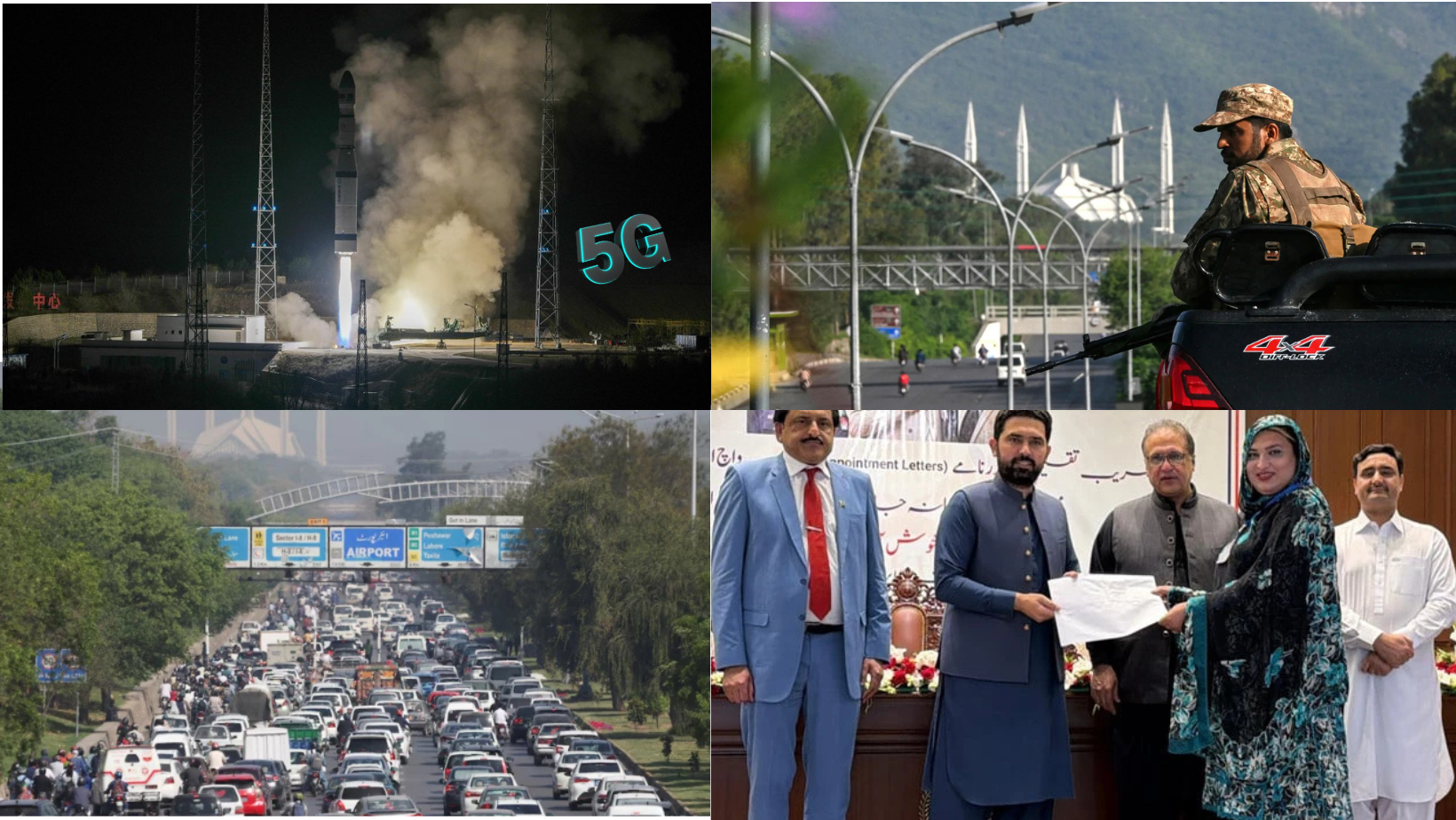
Pakistan does not often get to choose the stage it stands on. Our portrayal in international media rarely reflects the ground truth. This week, Islamabad hosted high-level talks between the United States and Iran, positioning Pakistan as a mediator amid escalating tensions linked to the broader Iran–United States conflict.
While over 21 hours of negotiation ultimately did not produce an agreement, Pakistan’s role as host was acknowledged by foreign officials and global media: to host is to be trusted, and to matter as a strategic partner.
The engagement reflects Pakistan’s continued relevance in regional diplomacy, particularly at a time when conflict risks remain high. Reports also indicate that Pakistani vessels have continued to receive safe passage through the Strait of Hormuz, suggesting stability in maritime engagement a carefully calibrated foreign policy.
International delegates and media personnel present during the talks were also exposed to Pakistan’s domestic environment, including its diplomatic protocols and classic desi hospitality.
Cultural Revival in Punjab
Pakistan witnessed significant cross-border religious activity this week alongside ongoing local cultural events.
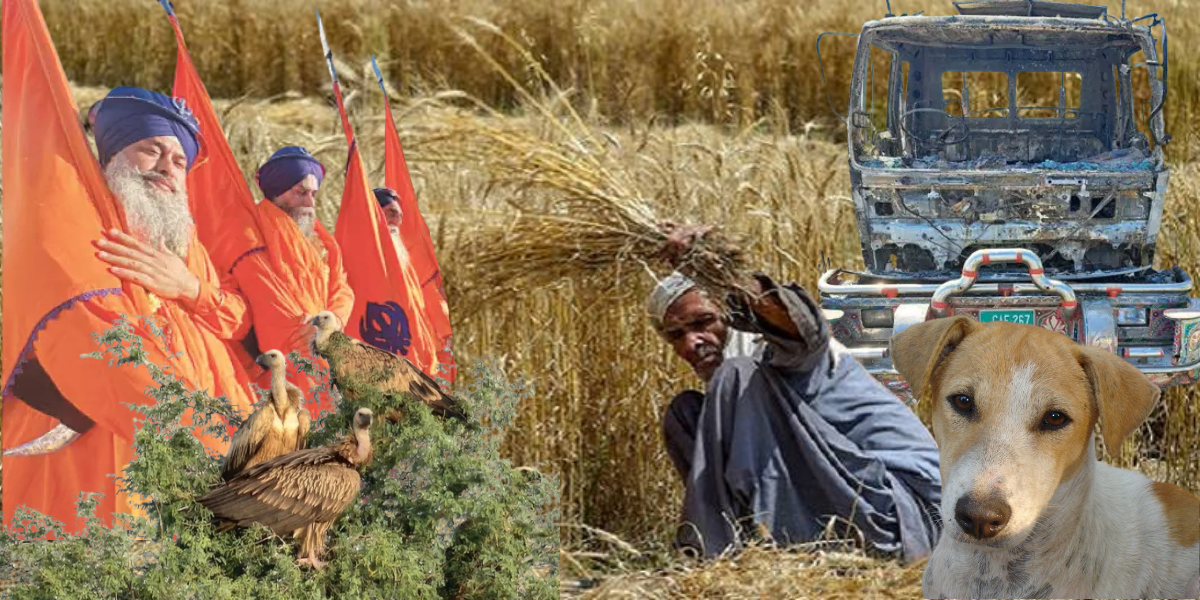
More than 2,200 Sikh pilgrims from India entered Pakistan through the Wagah border to participate in Baisakhi, and the 327th birth anniversary of the Khalsa. Among them were individuals returning to their birthplaces for the first time since 1947, villages they had to leave during Partition.
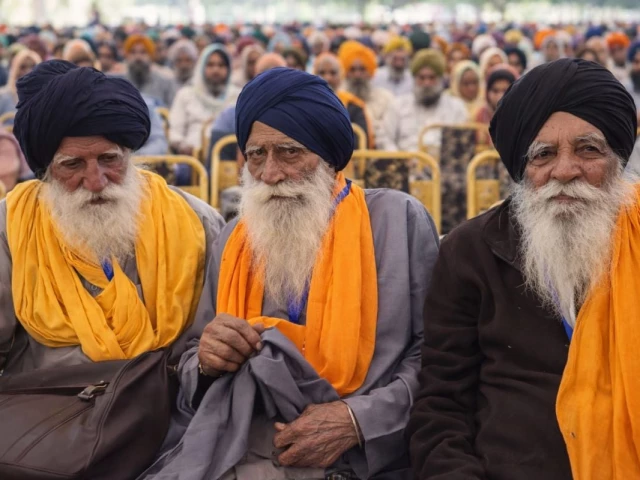
The state, often rigid in its politics, appeared momentarily porous. The Sikh pilgrims were received at Wagah by officials, including Pakistan Sikh Gurdwara Parbandhak Committee President and Punjab Minister for Minority Affairs Sardar Ramesh Singh Arora, Additional Secretary Shrines Nasir Mushtaq, and Lahore Commissioner Maryam Khan. Officials framed Pakistan as an origin point for Sikh heritage, and made commitments facilitating Sikh religious tourism, with announcements regarding the restoration and reopening of multiple gurdwaras. The initiative is positioned as part of broader efforts to preserve shared heritage and promote cross-border religious access despite strained bilateral relations.
At the local level, rural fairs across South Punjab continue to serve as key cultural and economic spaces. These events feature traditional sports such as kabaddi, along with stalls offering food, crafts, and other goods. Observers note that such fairs support informal local economies, provide social gathering spaces in underserved areas, and contribute to the preservation of regional traditions.
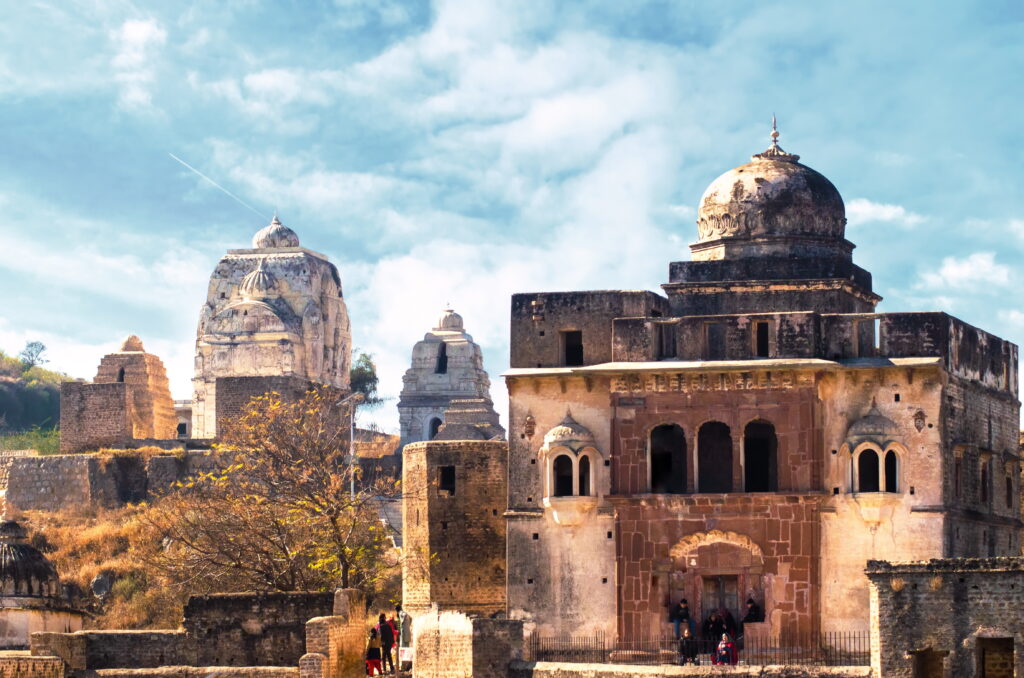
In parallel, a delegation of foreign diplomats from Azerbaijan, Egypt, Kyrgyzstan, Kenya, Iran, Norway, Nepal, the Philippines, and Uzbekistan visited cultural and historical sites in Chakwal, including the Katas Raj Temples. The visit was organised to highlight Pakistan’s tourism potential and cultural heritage to international representatives. There was also an implicit message of Punjab’s layered histories and identities.
Education Reform
Efforts to address structural challenges in Pakistan’s education sector continued this week, with a focus on improving alignment between academic institutions and industry requirements.
In Karachi, the Adopt-a-School Programme (AASP) continues to test a hybrid model of governance by inviting private actors into the management of public education. The premise being that collaboration between the public and private sectors can deliver what the state alone cannot. The intent signals a shift away from a monopoly towards shared responsibility for the country’s future.
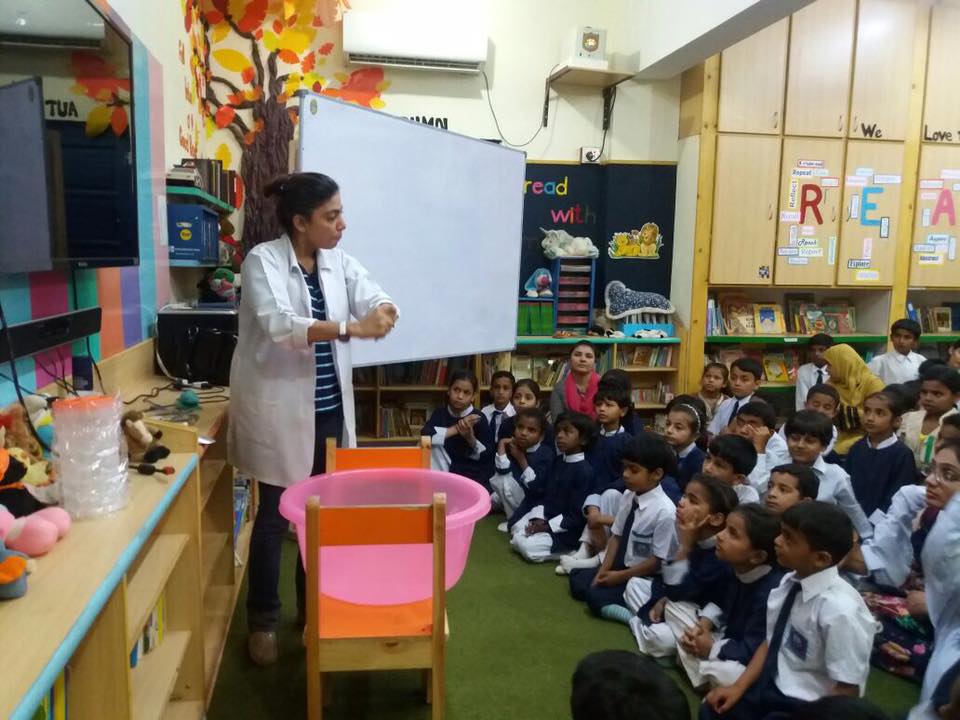
Organisations such as the Ghazali Education Foundation, Sahir Lodhi Foundation, and Taleem Foundation are among many other private institutions taking on the AASP initiative by the Sindh Education Foundation to improve infrastructure, provide educational resources, and train teachers in government schools.
The Higher Education Commission of Pakistan also engaged with representatives of the Lahore Chamber of Commerce and Industry to discuss strengthening collaboration between universities and the private sector. Key areas under discussion included revising academic curricula to meet current market demands, expanding industry-academia partnerships, and enhancing employability through skills-based training.
Officials highlighted ongoing work in technical and textile education, noting efforts to align research output with international standards. However, challenges persist in translating academic research into commercial application and integrating graduates into the workforce to support long-term economic growth.
Shift Towards Rehabilitation
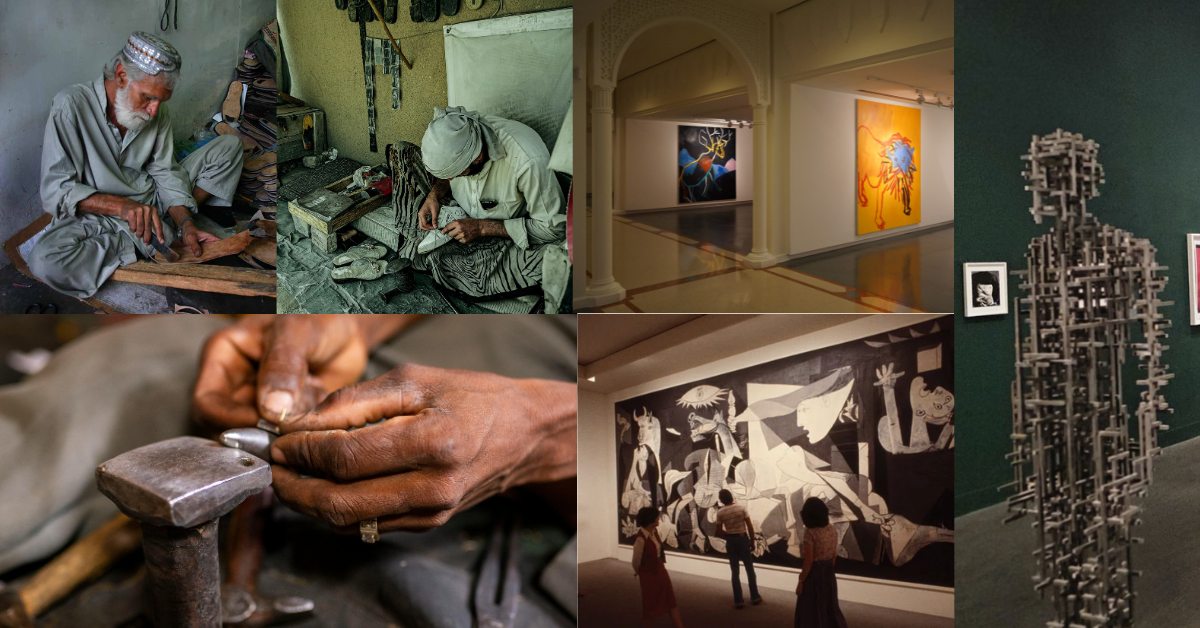
Developments at Haripur Central Jail indicate a gradual shift towards a rehabilitation-focused correctional model. Inmates are currently engaged in vocational training programmes across multiple sectors, including carpentry, agriculture, tailoring, shoemaking, pottery, and fish farming. Female inmates are also participating, particularly in textile-related skills.
The programme aims to equip inmates with practical skills that improve employability after release. Agricultural initiatives within the prison have generated significant output, with produce valued at approximately Rs 2.2 million despite limited land availability.
Authorities state that such initiatives are intended to support reintegration into society and reduce repeat offences by addressing economic vulnerability. While still limited in scale, the model reflects an emerging policy direction within Pakistan’s correctional system, moving beyond punitive confinement towards skill development and rehabilitation. Earlier, in 2024, a Jail Industrial Showroom was inaugurated at the Haripur Central Jail, where handicrafts and other goods made by prisoners are displayed to the public for sale.
Where Things Stand
This week’s developments highlight Pakistan’s engagement on multiple fronts: diplomatic positioning in regional conflict, facilitation of religious tourism and cultural activity, and incremental reforms in education and corrections.
While challenges remain across all sectors, these developments indicate ongoing efforts to strengthen institutional capacity, cultural continuity, and international engagement.

The Gully Kahani Team approaches storytelling as lived observation, blending on-ground reporting with narrative depth and cultural analysis. Each article is shaped through careful research, street-level perspectives, and a commitment to capturing the layered realities of urban Pakistan. The editorial voice prioritizes nuance over simplification, tracing how history, culture, and everyday life intersect in meaningful ways.