This week’s developments across urban policy, religious engagement, environmental signals, and agriculture point to a consistent governing pattern. Interventions are visible and often immediate, but largely shaped by existing pressures rather than long-term planning.
From displacement in Islamabad to climate stress in Punjab, responses remain fragmented and situation-specific. Together, they raise a broader question: is the state managing change, or merely keeping pace with it?
Who Belongs in Islamabad?
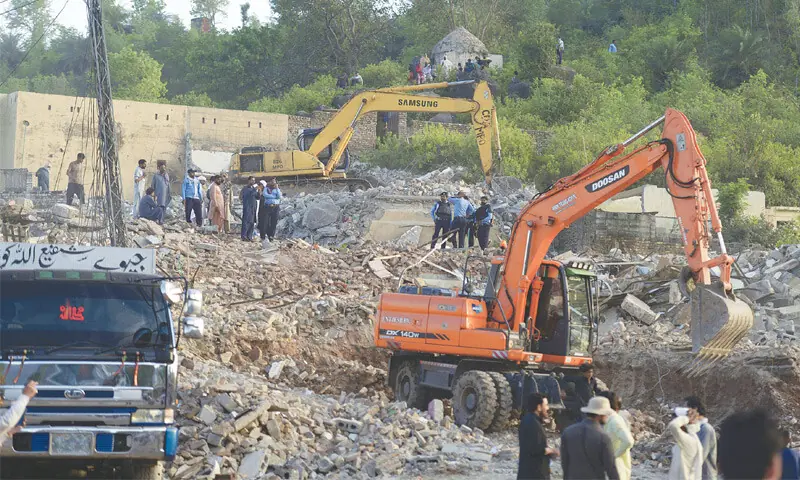
As Islamabad looks to the future, the city’s urban expansion collides with its past. With 14 settlements already cleared in the historic Bari Imam – Noorpur Shahan belt, the Capital Development Authority (CDA) has signaled further operations beginning this week, extending enforcement into additional villages and, by this month’s end, into informal Christian settlements in sectors such as I-9 and F-6.
What is unfolding is a dispute over legitimacy, deeply layered and complex, rather than a simple case of encroachment. Residents of the Bari Imam settlements fall into multiple categories: generational inhabitants with pre-capital roots, those previously compensated but not relocated, settlers from the political eras of General Zia ul Haq and General Musharraf, and buyers holding registered documents. The state, however, is collapsing these distinctions into a single administrative category.
The center of the conflict lies in an unfulfilled promise of land acquired in the 1960s under the CDA Ordinance. Stalled for decades, the Regional Planning Directorate submitted a proposal of seven model villages in 1990, including Noorpur Shahan. A prior Islamabad High Court decision to rehabilitate affected populations remains a point of contention, with residents arguing that displacement is proceeding without restitution.
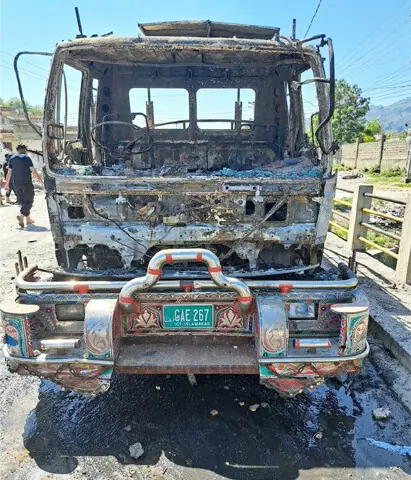
With this being a long-brewing issue, recent evacuation operations triggered violent clashes, with law enforcement booking hundreds under charges including terrorism, attempted murder, and assault of public servants, to name a few. The state has framed opposition as organised obstruction, but residents continue armed resistance for their homes.
The broader pattern is familiar: urban development advancing through enforcement rather than integration.
Soft Diplomacy Through Faith and Access
Over 2,200 Sikh pilgrims arrived on April 10 for Baisakhi and participation in religious rites at key gurdwaras, including Gurdwara Janam Asthan Nankana Sahib and Gurdwara Dera Sahib in Lahore, before departing with largely positive assessments of their experience.
State facilitation was both structured and visible: the Evacuee Trust Property Board organised core religious ceremonies, and an extended programme that blended logistics with outreach. Pilgrims cited adequate accommodation, medical care, transport, and the provision of clean water and organised langar services. Group leader Sardar Surjit Singh noted that gurdwaras were well maintained and secure, citing improvements in infrastructure and management.
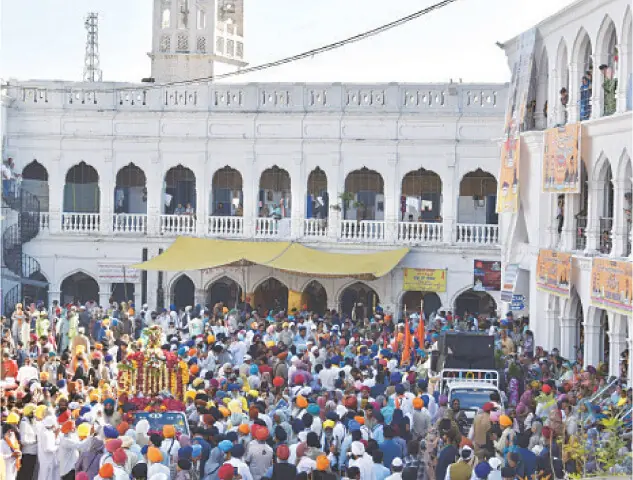
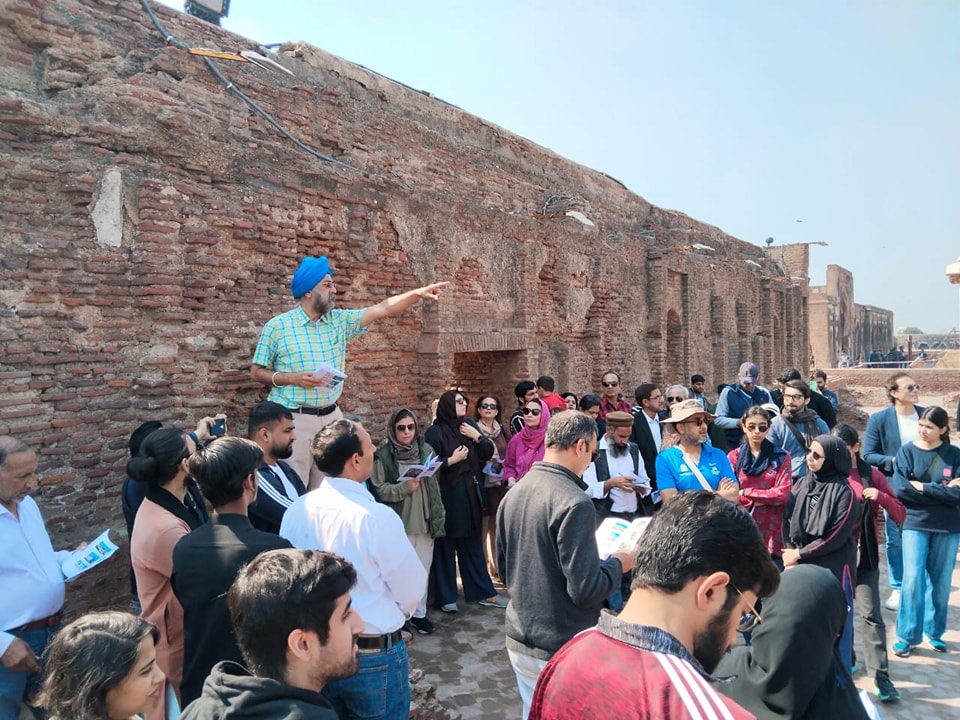
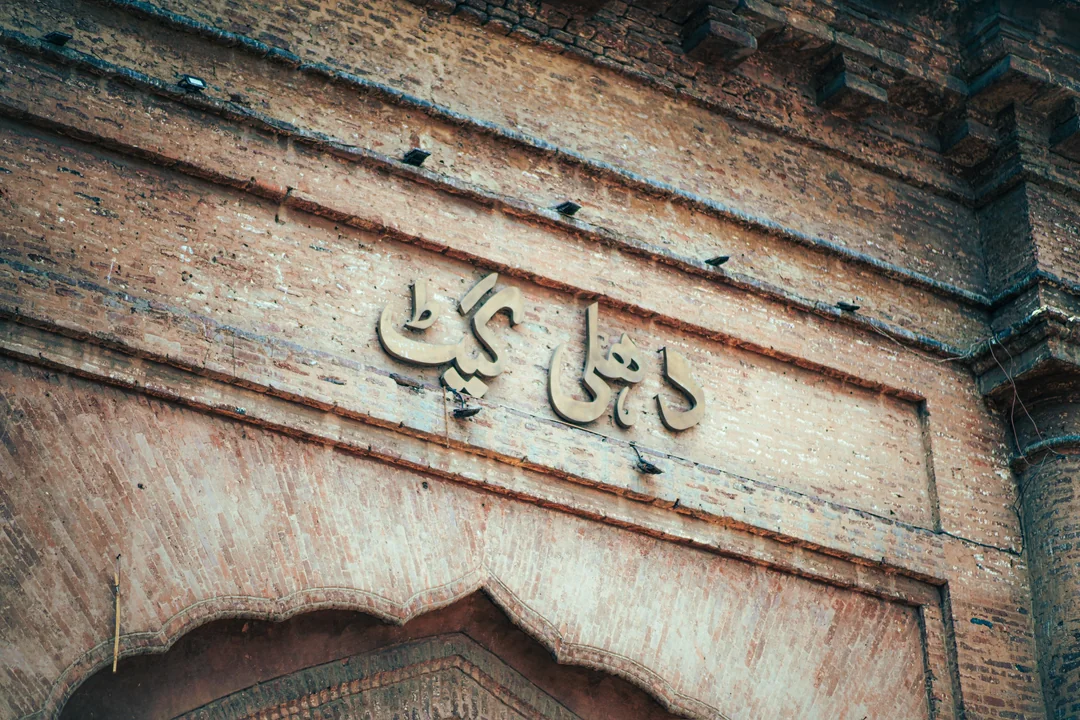
The experience extended beyond religious observance, with pilgrims taken on guided tours across Lahore, including the Walled City, Lahore Fort, Mall Road, and Liberty Chowk, as well as visits to commercial centers such as Anarkali Bazaar and Shah Alam Market. Cultural programming, such as the event at Hazuri Bagh featuring music and local cuisine, positioned the visit within a broader narrative of hospitality. An interfaith conference at Iqbal Hall within the Badshahi Mosque complex further reinforced official messaging around religious tolerance, bringing together representatives from Sikh, Christian, and Muslim communities.
These details matter because they reflect intentional design. The pilgrimage is being managed as a curated diplomatic experience, not only as a religious obligation. In the absence of functional Pakistan–India engagement, such visits provide one of the few consistent channels for cross-border interaction. The emphasis on improved facilities, guided exposure to urban heritage, and interfaith dialogue suggests an effort to shape perception alongside facilitating access.
However, while pilgrims reported respect and religious freedom during their stay, these engagements are temporary and highly managed. They project an image of pluralism, but do not necessarily translate into sustained shifts in the broader condition of minority rights within Pakistan.
A Positive Shift in Animal Welfare
This week brought two developments that, taken together, suggest a gradual shift in how environmental and animal welfare concerns are being addressed.
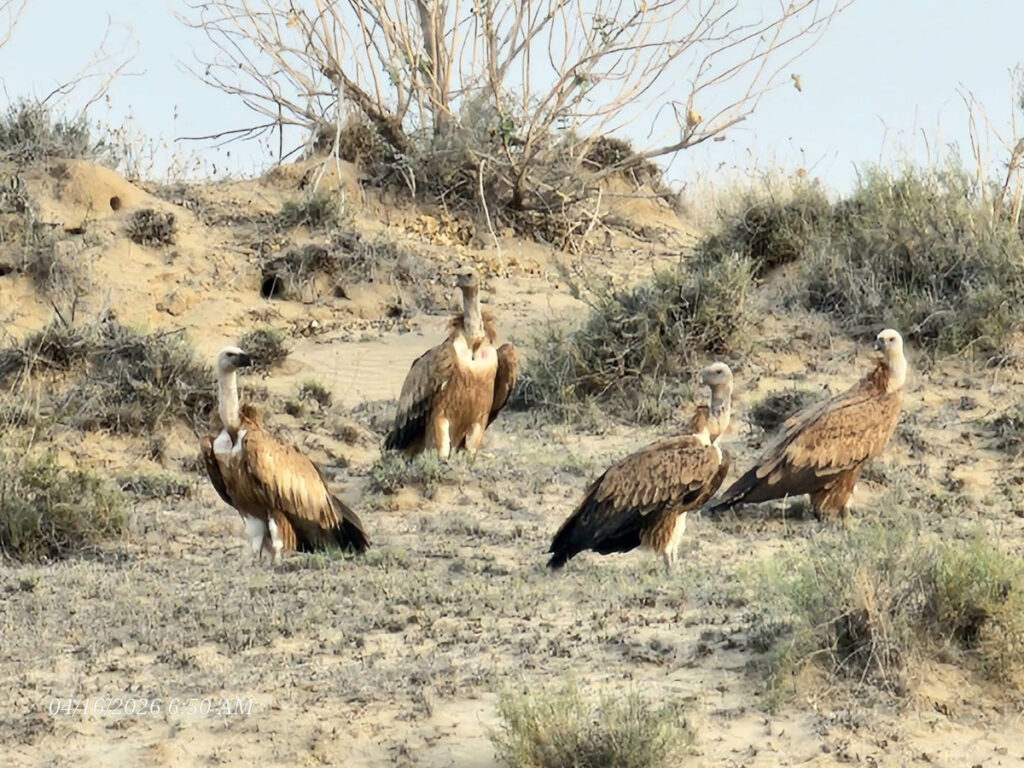
In southern Punjab, the reappearance of Eurasian Griffon vultures in Rahim Yar Khan has drawn attention from conservation experts. Once widespread, vulture populations in Pakistan have sharply declined, largely due to toxic veterinary drugs such as Diclofenac and broader ecological pressures. Their return, even if temporary or migratory, indicates that conservation interventions may be yielding incremental results.
At the same time, in Lahore, a coalition of animal welfare organisations and Jamat-e-Islami has moved to challenge the continued culling of stray dogs. The proposed alternative of scientific population control through catch-neuter-vaccinate-release marks a shift from reactive elimination to managed coexistence.
The meeting urged district administrators to implement proposed solutions to ensure a balance between public safety and animal welfare.
Agricultural Adaptation Under Climate Pressure
Climate variability is a significant constraint on Pakistan’s agricultural economy. Over the past years, Punjab’s climate has shifted significantly, with rising temperatures and shorter winters affecting crop cycles and yields. Data from the Pakistan Meteorological Department indicates a steady increase in average temperatures since 2000, alongside increasingly unpredictable rainfall patterns. Research by the University of Agriculture Faisalabad and the Pakistan Agricultural Research Council shows that rising temperatures could reduce wheat production by up to 30%. According to the International Food Policy Research Institute, more than 80% of farmers in Punjab are already experiencing these effects, with April rains disrupting wheat harvesting, and heavier monsoon patterns threatening cotton and rice crops.
In response, provincial governments are initiating targeted interventions. The Balochistan provincial government has begun disbursing agricultural subsidies, with payments already transferred to 3,102 farmers in the initial phase and over 13,000 additional farmers set to receive support within days. The scheme prioritises small-scale farmers, particularly those with ready wheat crops, and includes financial assistance through the Kisan Card mechanism. The subsidy is designed to offset rising fuel costs, which have increased the operating expenses of threshers during the harvesting season.

In Khyber Pakhtunkhwa, development planning is focusing on water and irrigation infrastructure under the Annual Development Program 2026–27. The provincial government has directed the rehabilitation and restoration of existing water supply and sanitation systems, as well as the repair of irrigation infrastructure damaged by floods. Projects under consideration include the completion of Sanam Dam, Chashma Akora Khail Dam, and Sarozai Dam, as well as new dam construction schemes. The Chashma Right Bank Canal and the proposed lift canal project are also being prioritised, with plans to seek federal support for their implementation.
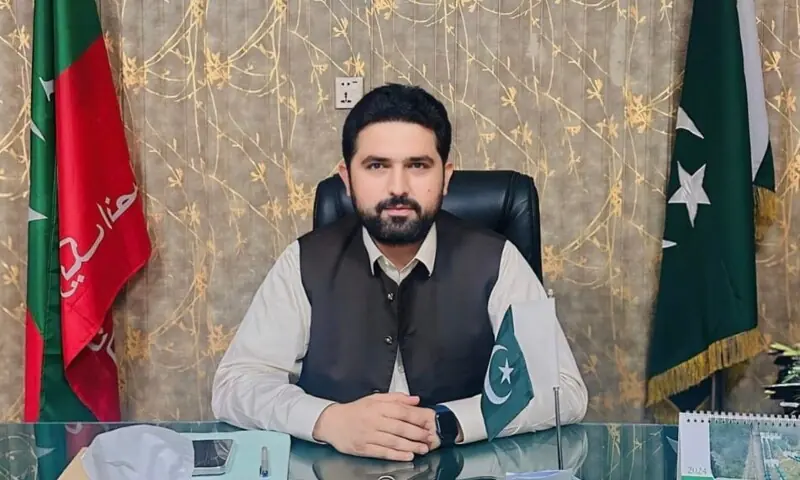
These measures are being introduced alongside efforts to improve flood resilience and water storage capacity, with provincial authorities emphasizing the need to restore existing infrastructure to full functionality while advancing new projects to support agricultural output.
Where Do We Stand?
The state appears to be operating in a consistently reactive mode by intervening after pressure has already materialised. Urban displacement is being enforced without resolving decades-old rehabilitation commitments, agricultural support is being disbursed as climate shocks intensify rather than pre-empted through structural adaptation, and environmental responses are emerging only after visible decline or public pressure. Even in the case of religious tourism, where execution appears more coordinated, the effort is activated only around events rather than embedded in a sustained framework of pluralism.
This pattern points to a reliance on short-term fixes: clearance instead of integration, subsidies instead of systemic reform, pilot initiatives instead of institutional continuity. While these measures may stabilize immediate situations, they do little to address the underlying drivers. The result is a governance approach that manages crises in sequence, rather than reducing their recurrence.

The Gully Kahani Team approaches storytelling as lived observation, blending on-ground reporting with narrative depth and cultural analysis. Each article is shaped through careful research, street-level perspectives, and a commitment to capturing the layered realities of urban Pakistan. The editorial voice prioritizes nuance over simplification, tracing how history, culture, and everyday life intersect in meaningful ways.