In Pakistan, where tradition and self-expression often occupy uneasy ground, tattooing is an intimate exchange between artist and subject. It is a moment of trust, permanence, and personal meaning.
A painting can be left unfinished. It can sit quietly on a wall, its canvas still and separate from the world around it. A tattoo, however, has no such stillness. Its canvas moves, breathes, ages, and carries the work into places the artist may never see.
Furqan describes the body as a “raw“, “real” canvas; a “breathing canvas“. Unlike a painting, a tattoo becomes part of someone’s life and body, moving through the world with them and changing alongside them.
“Once you start tattooing, you have to finish it,” he says. Unlike an assignment that can be postponed, a tattoo requires his full attention. The work must be completed, and it must be completed with someone.
The Restless Artist
Furqan’s relationship with art began in childhood, when he drew on walls and sheets of paper with crayons. His pursuit of art eventually led him to the National College of Arts, where he studied visual design. Yet, conventional creative assignments did not always offer the fulfillment he sought. He could take a task intended to last a week and stretch it into four, struggling to find the right setting or state of mind to finish it.
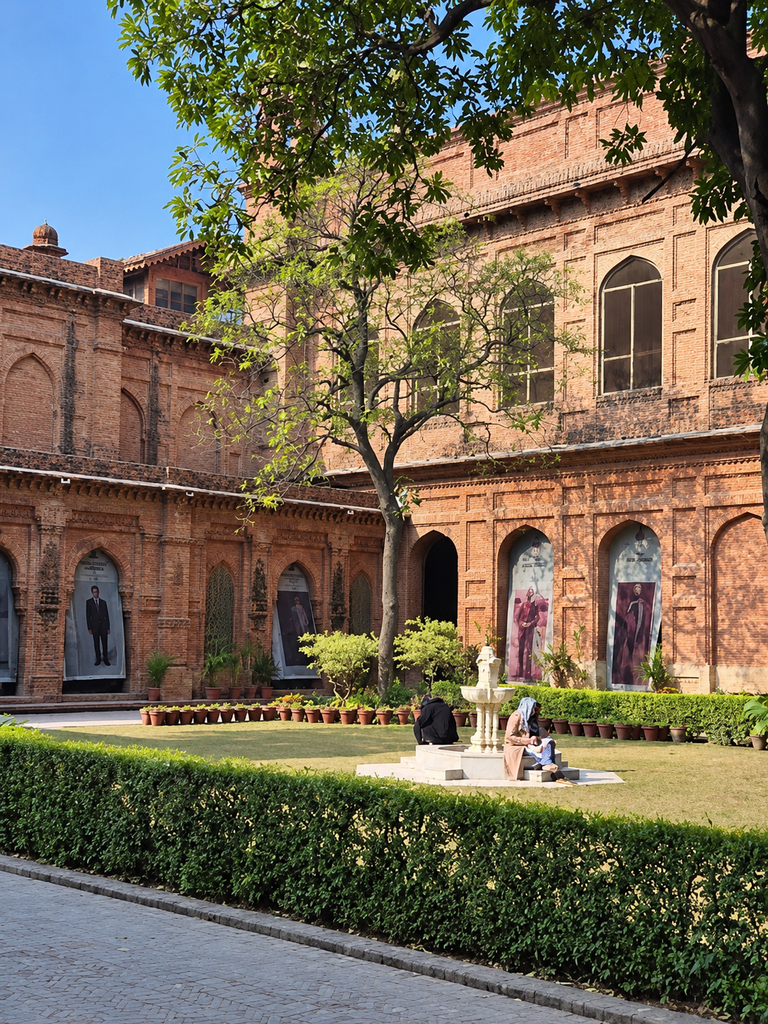
Commercial design presented another kind of dissatisfaction since creating visuals for brands on a laptop could feel detached from the people and experiences behind the work. Furqan found himself increasingly drawn to art that was immediate, personal, and consequential; something made for an individual rather than a commercial breif.
The First Mark
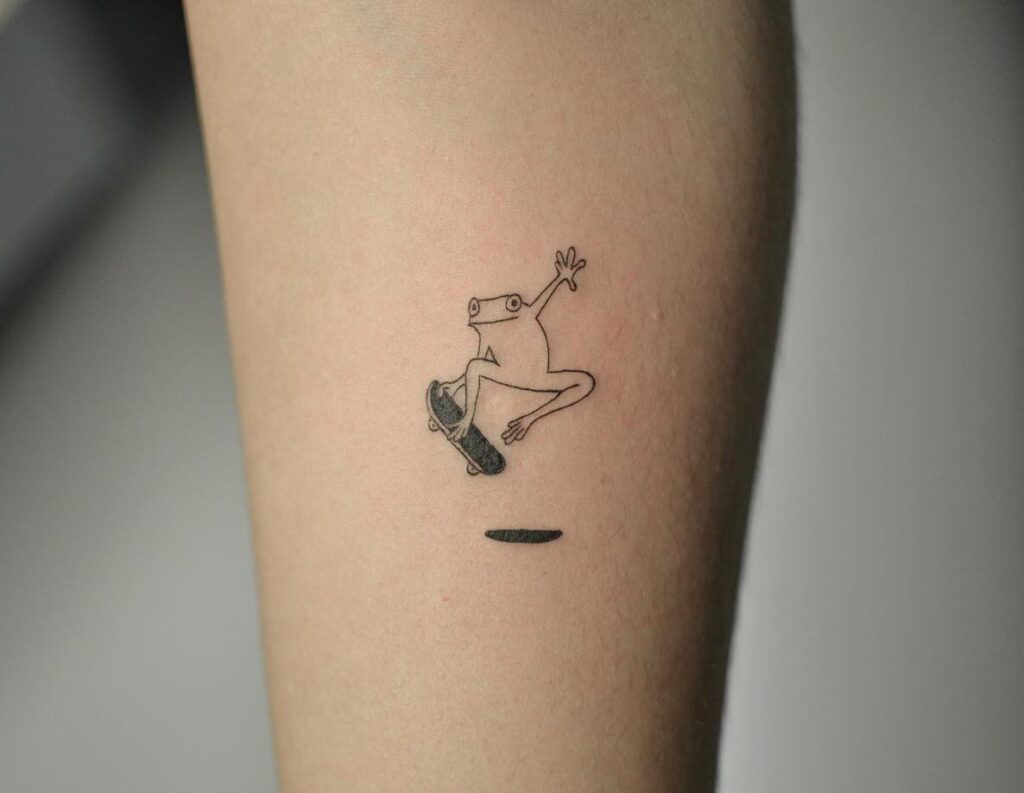
When Furqan arrived in Lahore as an NCA student, he noticed that the city’s tattooing scene offered few options in the clean, contemporary style he was looking for. At first, he looked for tattoos for himself and his friends, not as a profession. He began experimenting on his own skin and on the bodies of people close to him.
During the isolation of COVID-19, that experimentation intensified. He spent long hours practicing and refining his technique, gradually discovering the medium’s discipline and possibilities. After nearly two years of informal practice, he opened his bookings at his friends’ urging. The immediate rush of enquiries revealed an audience eager to pay for the unique style he had been developing. What began as a casual pastime quickly filled a critical void in Lahore and evolved into a full-fledged profession.
The Responsibility of Permanence
Learning to tattoo meant more than mastering needlework because Furqan knew every minute decision would stay on someone’s skin. He rejected paid apprenticeships and pursued a self-directed education, practicing on “unlimited amounts of fake skins,” then on fruit, himself, and his closest friends. He also took courses to refine his skills.
His approach was deliberately slow: a tattoo that might have taken another artist thirty minutes could occupy him for two and a half hours. He knew the work couldn’t simply be erased or redone.
Beneath the technical challenge was a fundamental fear of permanently marking someone incorrectly.
That fear became tangible when a friend asked him to tattoo a long, straight line across the stomach. Furqan initially hesitated because the stomach is a soft, breathing surface, and creating a straight line across it felt like a challenge he wasn’t ready to take on. His friend, however, trusted him enough to encourage him to proceed. The support of his friends and fellow art students helped him find the confidence to attempt it.
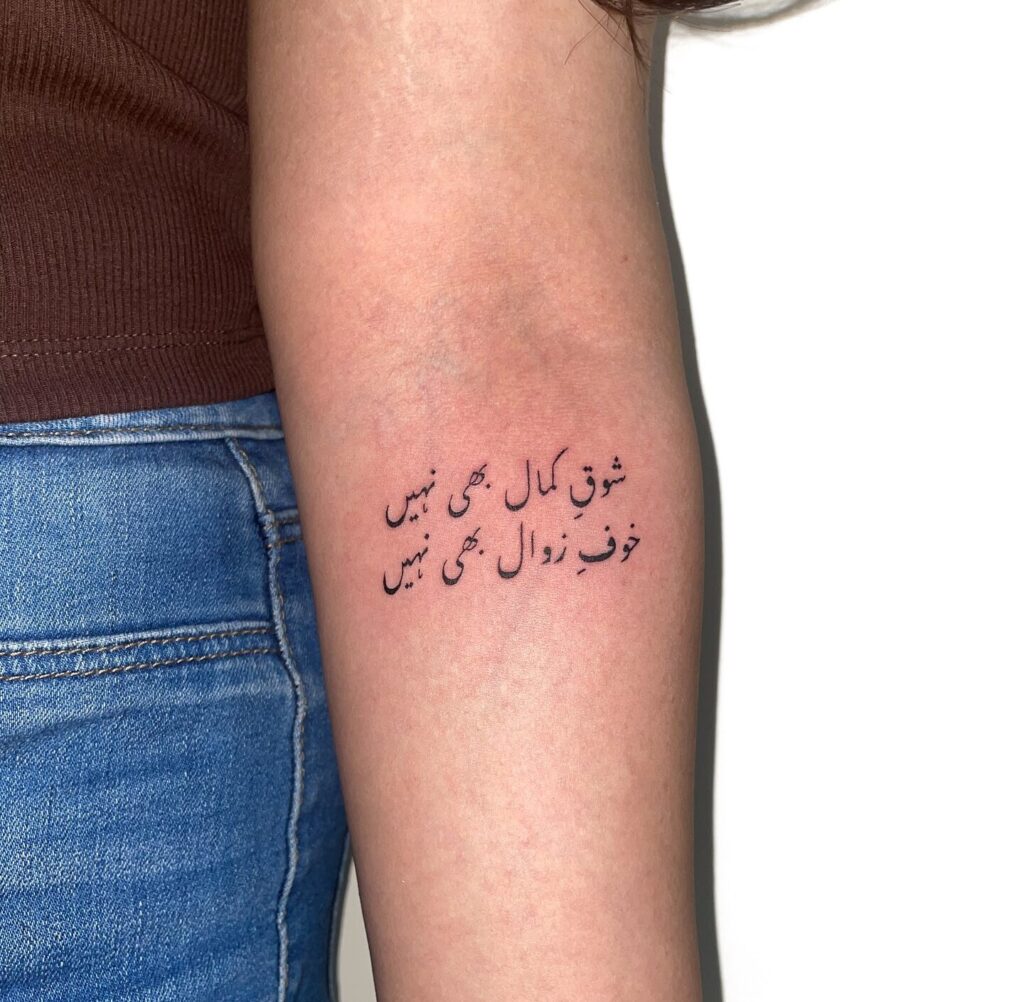
The experience clarified the difference between executing an image and tattooing a person. Technical skills can be developed through repetition, but working on someone’s body requires patience, responsibility, and awareness of what cannot be undone.
Choosing the Uncertain
As tattooing grew more serious, it began to conflict with Furqan’s university education. During his final year at NCA, he took a gap year to fully immerse himself in the practice, leaving two semesters of his degree unfinished. He had already fought to pursue art school; now he was choosing a career in a small and taboo industry. He initially concealed the decision from his parents, fearing their disappointment. When they found out through others, he explained that he was searching for an artistic medium that brought him resonance and solace, something he had not found in visual design or conventional commercial work.
Financial independence helped steer the conversation: Furqan showed his father that tattooing could sustain him, at one point earning more than some design graduates earned in a month. His father’s acceptance followed, in part, because Furqan had shown he could support himself.
Ink has a History
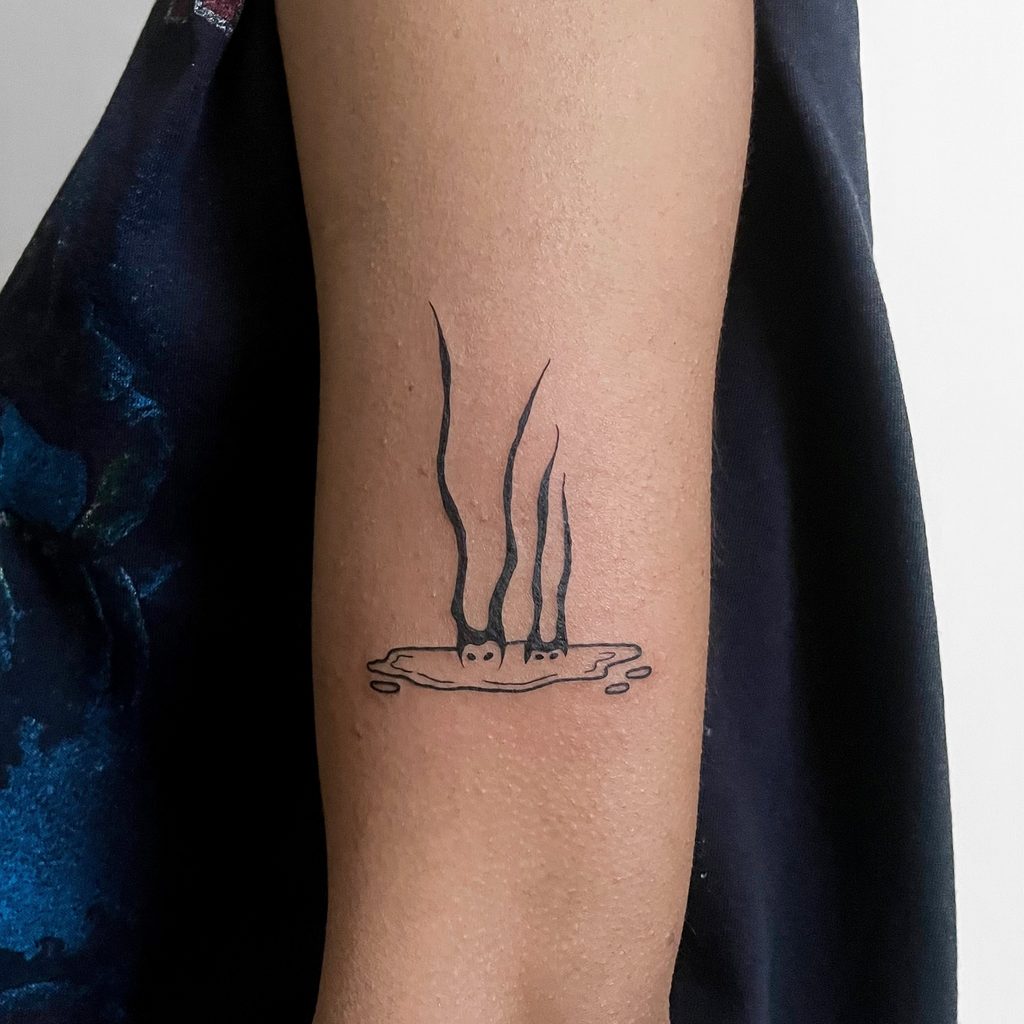
Tattooing in Pakistan did not begin with contemporary studios or urban artists. Furqan points to traditional practices among Baloch, Sindhi, and Pashtun communities, including markings known as godna, and sheen khaal. Such Practices carry meanings related to identity, beauty, ancestry, and coming-of-age.
These traditions are not identical to contemporary urban tattooing, but they complicate the idea that tattoos are entirely foreign to Pakistan. Much of this history, however, remains difficult to find online. Traditional practices often survive through oral histories and the bodies of older generations, rather than through digital platforms.
A Body Under Scrutiny
For Furqan, the response to tattooing is part of a wider question about the broader societal limits placed on self-expression. He believes that social suppression can sometimes manifest as hostility toward the ways other people express themselves through all forms of art, be it music, fashion, or painting, not only through tattoos.
The issue concerns who decides which forms of expression are acceptable and what happens when an individual crosses those boundaries.
Public judgement can turn a personal choice into a matter of collective scrutiny, pressuring people to regulate their appearance, movement, creation, and public presence.
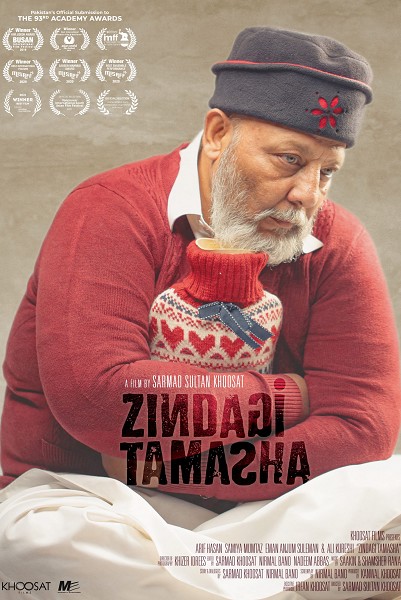
A parallel appears in Zindagi Tamasha, Sarmad Khoosat’s film about a naat reciter whose private act of dancing at a wedding becomes the subject of public condemnation. The character’s experience shows how ordinary expressions of joy can become grounds for shame when judged against rigid societal expectations of propriety.
While the circumstances differ, the underlying paradox is familiar: the gap between an individual’s understanding of their own expression and the meaning others impose on it.
For tattoo artists, social media make the dissonance more visible. The same online presence that allows an artist to find clients, document their work, and reach people beyond their immediate surroundings can also expose them to criticism and backlash. Acceptance and hostility can exist side by side, often directed at the same act of self-expression.
A Choice Etched on Skin
Around 70 percent of Furqan’s clientele is female, and he connects this partly to the restrictions he observes around women’s bodies, movements, and everyday choices. In his view, tattoos can give women a way to exercise agency over bodies often shaped by decisions and expectations imposed by others.
However, he distinguishes this from rebellion; a tattoo does not necessarily represent a rejection of family, culture, or society; it can simply be an act of self-expressive decision about what someone wants to carry on their own skin. Its meaning, however, may extend far beyond the mark itself.
Furqan recalls a client from Balochistan who wanted a tattoo along her ribs. According to his recollection, she needed it to remain hidden because she feared severe consequences if her conservative family discovered it. Connected to Mera Jism, Meri Marzi, the tattoo represented a private assertion of ownership over her body.
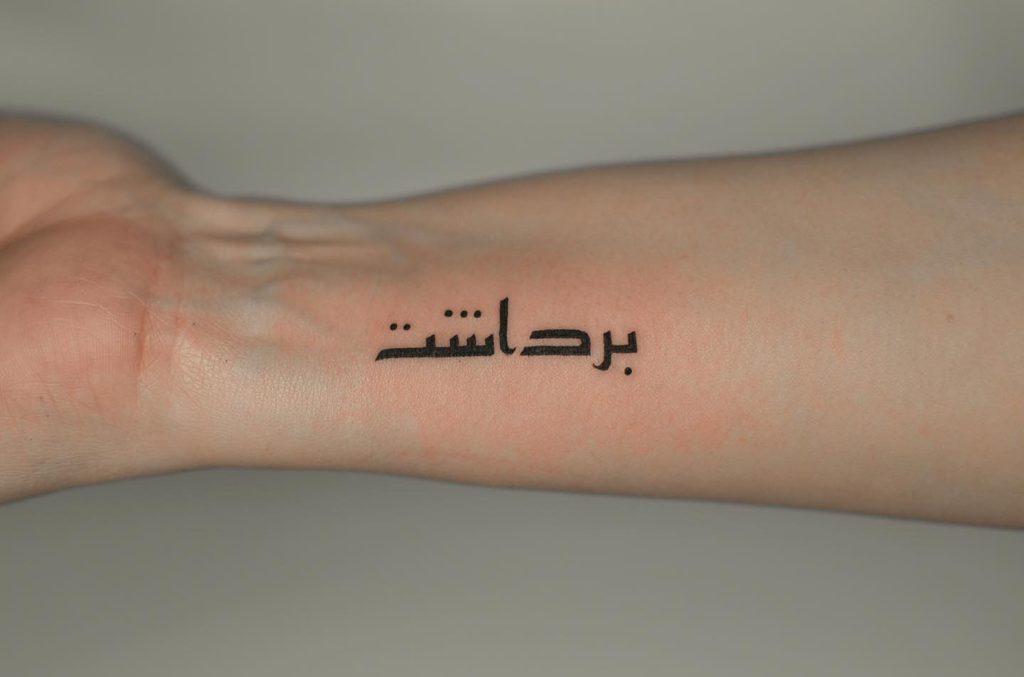
After the tattoo was completed, Furqan recalls her describing a feeling of finally belonging in her own skin. The act was small in physical scale but carried significance beyond the image or the ink.
She made the decision herself in circumstances where decisions about her body could have serious repercussions.
The Artist as a Conduit
Tattooing for Furqan goes beyond technical practice and becomes participation in another person’s journey. That participation begins before the needle even touches the skin: he consults with clients to understand not only what they want, but why they want it there. Some seek aesthetic addition, others want to commemorate an achievement, mark a turning point, or carry the memory of someone they have lost.
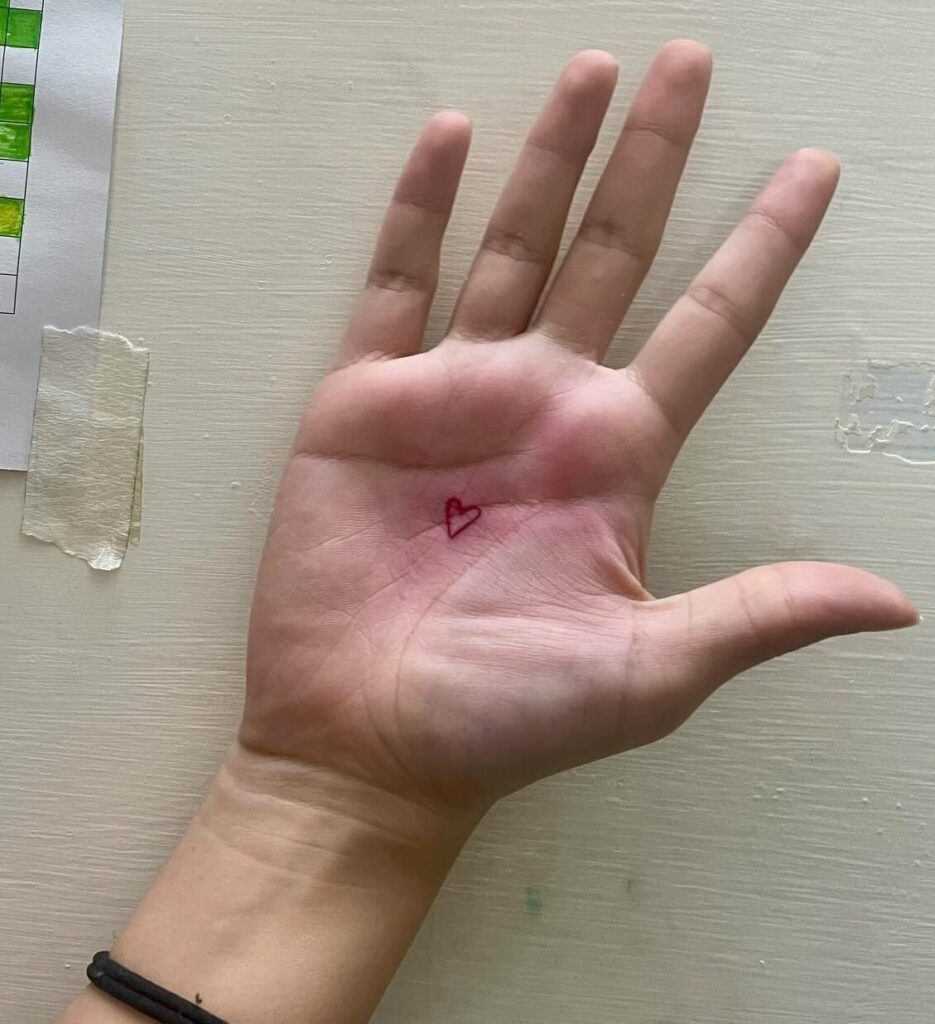
He recalls a mother who came to him after losing her eight-month-old son. Her reasons were profoundly different from a young man seeking a tattoo for aesthetic appeal or to “flex”. Yet both clients arrived with something they wanted to express. For Furqan, understanding the difference is part of the work.
He believes an artist should provide a space where people can express themselves without defending their choices. He does not want his personal beliefs, biases, or morals to determine what a client’s tattoo should mean. His distinctive art style remains part of the process, but he wants the work to belong to the person wearing it.
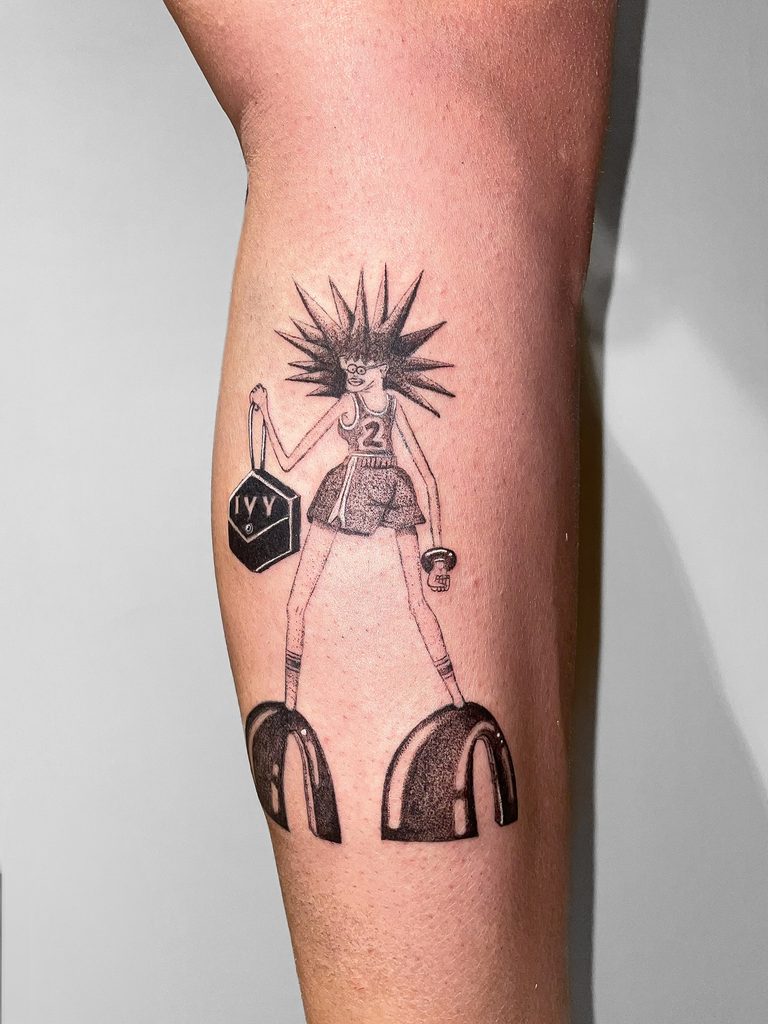
“Life is all about connecting with people and sharing experiences; that’s how you grow, grieve, show love; it’s all about human connection.”
Furqan approaches tattooing as co-creation: the client brings their experiences and intentions, and Furqan brings his technical skill and artistic language to give those purposes form. He sees himself simply as the medium for someone else’s expression.
Only for a Lifetime
Furqan believes every work of art carries the circumstances of its creation: its medium, surroundings, tools, and the emotions of the people involved. A tattoo is shaped by far more than ink and imagery; the needle, the physical endurance, the studio atmosphere, and the mindset of the person in the chair forge it.
It is an artform experienced through the body rather than merely viewed.
Years later, a client looking at the piece might not just see the design, but vividly recall the conversations, the artist, and the exact chapter of life they were navigating at the time. The ink may fade, the lines may blur, and the image may stretch with the body, but these changes become part of its history.
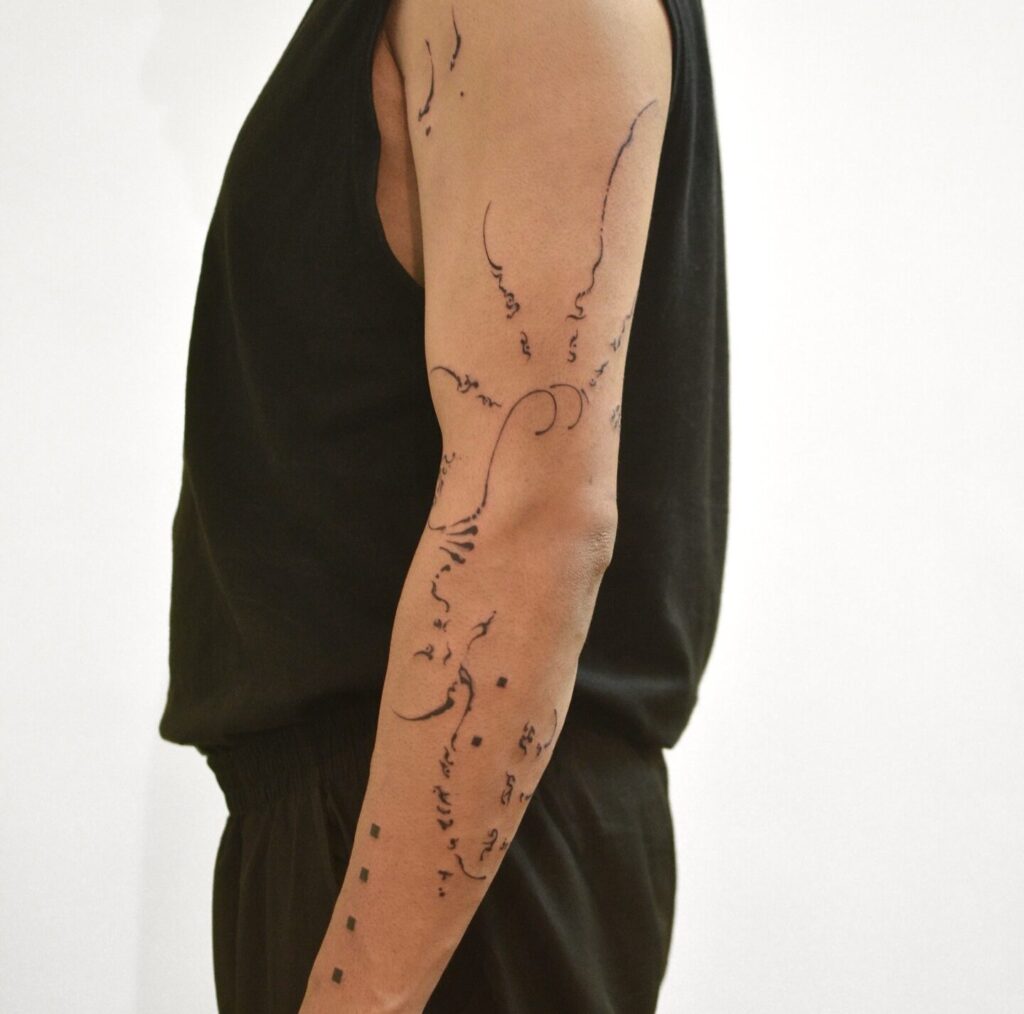
When asked about the possibility that his work might not outlive the people who wear it, Furqan responds,
“That’s the most beautiful part. The work is between me and the client for their lifetime; it’s not for others to celebrate.”
The Work Between Us
Tattooing is shaped by the relationship between artist and subject, and by the social world in which that relationship exists. In Pakistan, every mark occupies a complicated space between tradition and taboo, personal faith and individual choice, public scrutiny and changing acceptance. For some, a tattoo is aesthetic. For others, it carries grief, love, memory, achievement, or the significance of claiming ownership over their own bodies. Its meaning emerges from the life of the person who carries it.
Furqan’s role is grounded in listening. He provides the medium, but the wearer hold the meaning. For Furqan, tattooing has become more than an act of making art or an expression of his identity as an artist.
“It’s bigger than me.”
The work moves beyond his ands and intentions, becoming part of the lives of the people who carry it.

The Gully Kahani Team approaches storytelling as lived observation, blending on-ground reporting with narrative depth and cultural analysis. Each article is shaped through careful research, street-level perspectives, and a commitment to capturing the layered realities of urban Pakistan. The editorial voice prioritizes nuance over simplification, tracing how history, culture, and everyday life intersect in meaningful ways.
All images used in this article belong to Furqan Ahmed and are reproduced with his consent. Other images may be publicly sourced, with creators credited where appropriate. Interview quotes have been condensed for brevity.