A look inside a historic city where culture is preserved, produced, and reimagined.
Paris is often labelled as a living museum, a city where art spills out of galleries and onto the streets, where every corner carries the weight of history. New York, in contrast, is a global stage where culture is produced and redefined in real time, its galleries and fashion houses shaping modern expression.
Every country has such a center, where history and creativity act as catalysts in a continuously renegotiated identity. In Pakistan, that gravity pulls toward Lahore.
This is not by chance. It is the result of centuries of layered histories and shifting empires, intellectual traditions, and lived culture accumulating in one space. Lahore is a living archive, made remarkable by the overlapping imprints left behind by the empires it once hosted.
Rich Heritage
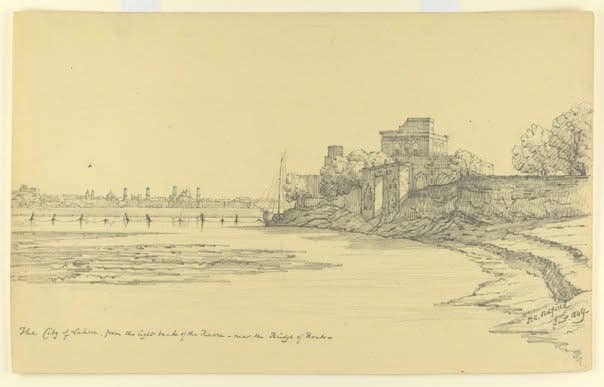
Long before Lahore became a city of shrines and festivals, it was a settlement shaped by water and war. The River Ravi, now quieter and withdrawn, once carried the lifeblood of the region, sustaining communities as far back as the Indus Valley Civilization.
The city’s earliest recorded mention appears in the 982 AD Hudud-i-Alam, where it is described as a modest settlement of temples, markets, and orchards. But Lahore was never meant to remain a modest settlement. Its geography placed it at the crossroads of empires, and over time, it was absorbed, contested, and reshaped repeatedly by a succession of powers, from the Hindu Shahis to the Ghaznavids, the Delhi Sultanate, and beyond.
It was under the Mughals that Lahore found its most enduring expression. Between the 16th and 18th centuries, the city transformed into an imperial capital of administrative prowess and aesthetic mastery. Lahore, in this era, was meticulously curated through art, architecture, intellectual pursuits, and luxurious living. The Mughal imagination left behind more than monuments; it embedded a way of living, one that valued gardens, poetry, and indulgence. This was Lahore at its most decadent, a city shaped as much by imagination and intellect, as by power and might.
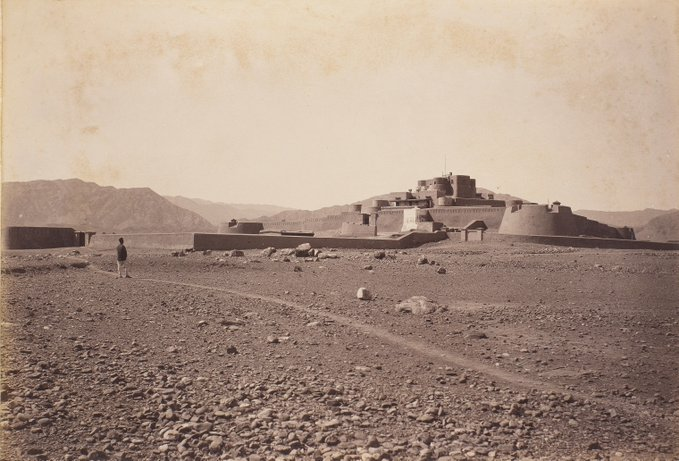
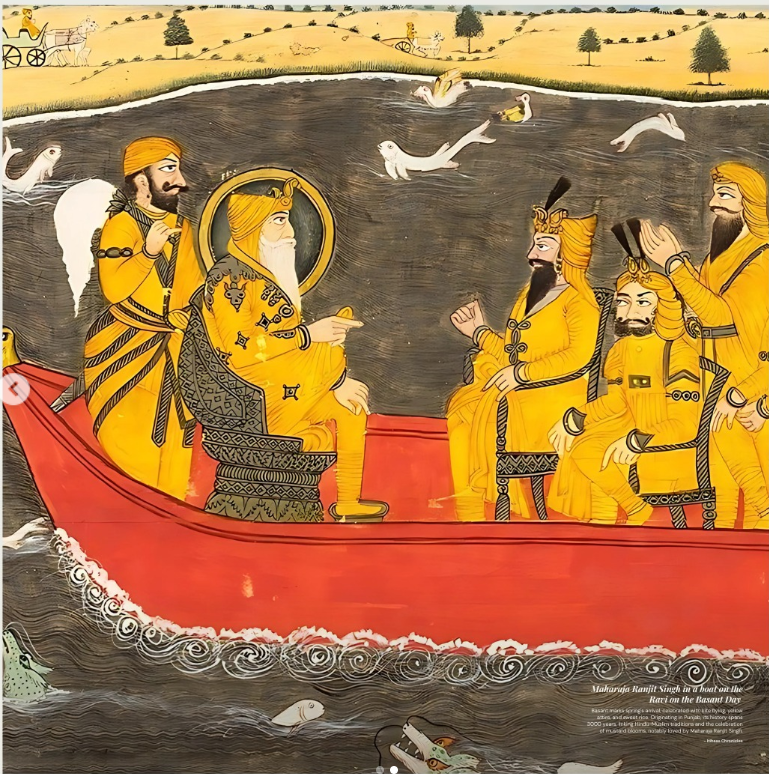
Yet, as much as we’d like, Lahore’s story does not follow a straight line of glory. The city was sacked by Nader Shah in 1739, contested by Pashtun and Sikh forces, and then eventually absorbed into the Sikh Empire. Under Maharaja Ranjit Singh, Lahore regained its political centrality, with renewed administrative importance and architectural activity. Temples, shrines, and civic structures emerged alongside older Mughal monuments, adding new layers to the city’s already complex identity.
The arrival of the British in 1848 marked yet another transformation. Lahore became the capital of British Punjab, reshaped through colonial planning, institutions, and infrastructure. And then came Partition, a moment in history that violently redrew borders, leaving the city scarred and deeply altered.
Lahore as a Producer of Culture
Culture in Lahore is a daily performance, and festivals are extensions of identity. From the flicker of oil lamps at shrines during Mela Chiraghan, to the brilliantly coloured skies of Basant, celebration in the city carries memory of North Indian coexistence. Even after years of bans and restrictions, Basant’s return is a revival of a shared regional cultural tradition.
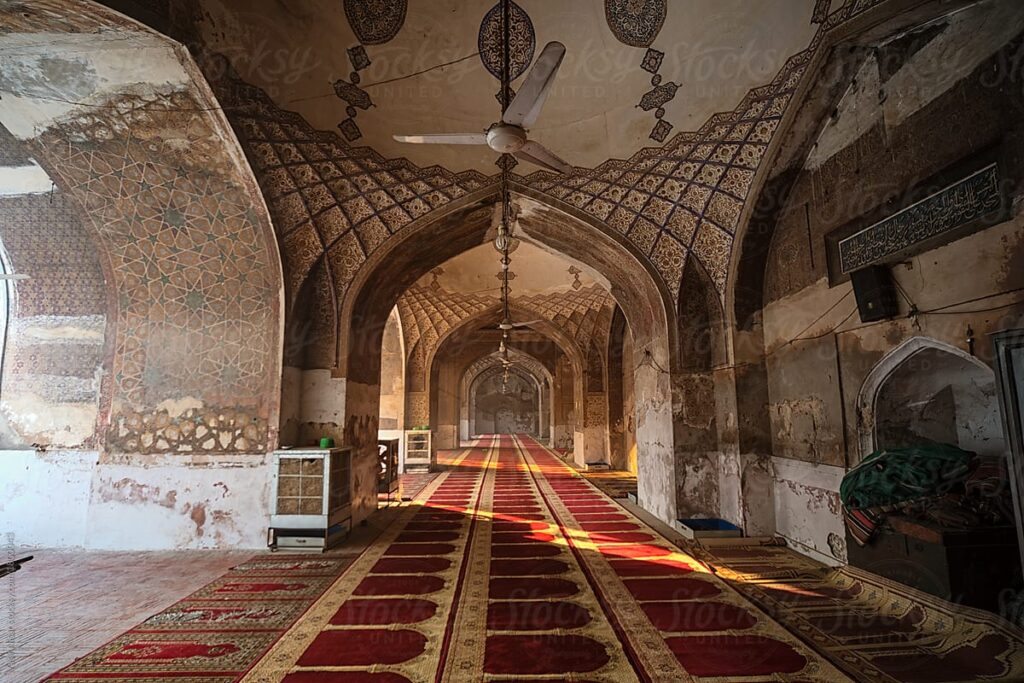
Faith spills across the city in shared spaces and convergent histories. The Badshahi Mosque rises as a symbol of Mughal grandeur, while the Krishna and Valmiki Mandirs speak to older presences. Nearby, the Samadhi of Maharaja Ranjit Singh stands as a testament to a persisting Sikh past. Lahore brings together its distinct religious pasts in a rare amalgamation, where the sacred monuments coexist across the city rather than remaining segregated.
To really experience the culture outside the monuments, a walk through the narrow arteries of the old city or along the restless stretch of Fort Road, will show how food becomes both tradition and theatre. Kulchay Channay at breakfast, the sizzle of Tawa Chicken at dusk, the slow-cooked depth of Nihari… meals prepared as a daily ritual across generations. The food street, glowing against the backdrop of the fort, is as much a cultural landmark as any monument. And then there are the markets: chaotic and alive. Anarkali and Liberty are ecosystems of rich taste, negotiation, and aspiration.
Beyond the streets, Lahore advances from a keeper of culture to a producer of it. The historic Lahore Museum, and contemporary spaces including O Art Space, Numaish Gah, and Ejaz Art Gallery create a continuum where past and present speak to one another. Here, artists shape visual language, experiment with form, and respond to the evolving city itself.
More creative outputs, such as theatre, are supported by institutions including the Alhamra Arts Council, which curates live performances, from classical productions to experimental plays, keeping storytelling immediate and evolving. These spaces enact culture and archive it for future generations. Music flows through this creative ecosystem with equal vitality. Whether it be the safekeeping of classical traditions or contemporary fusion, Lahore continues to nurture sounds through platforms such as Coke Studio, drawing on the city’s deep well of talent for reinterpretation.
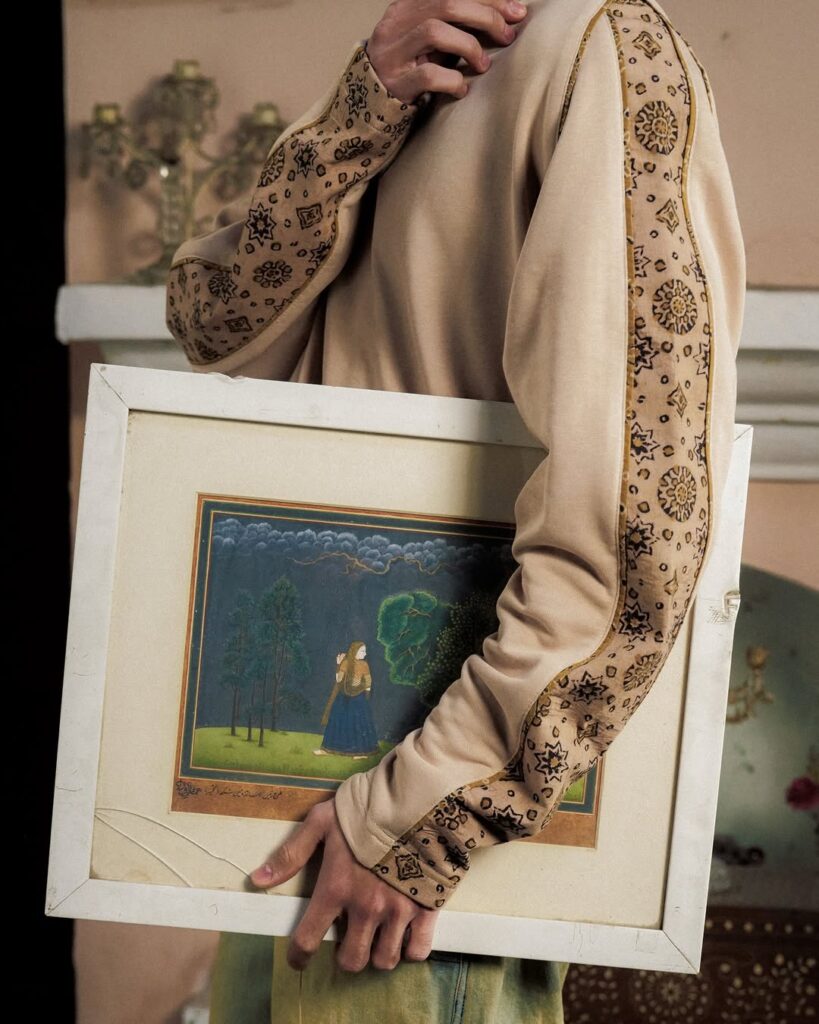
Education and youth culture in universities and creative institutions cultivate artists, designers, writers, and thinkers who continuously reshape cultural expression. The Pakistan Institute of Fashion and Design is only one of the many institutions that help define a distinctly Pakistani aesthetic: one that blends heritage with modern design. Across the city, most universities host dedicated research centers that foster spaces where student expression is encouraged, discourse is active, and critical thinking is developed with a growing emphasis on liberal arts education. Around college campuses and cafés, new subcultures take form in conversations and creative experiments that ripple outward into the city.
At the same time, older legacies find new expressions. Families with long-standing ties to land, craft, and tradition channel their histories into contemporary ventures. Varying from fashion labels rooted in textile heritage, to startups in design, education, and digital media. In doing so, Lahoris translate inherited cultural capital into new forms, ensuring that tradition is preserved and reimagined.
Cultural Preservation
Across the city, a growing network of institutions, communities, and individuals is attempting to hold on to what urban expansion threatens to erase. Nowhere is this more evident than in the Walled City, where restoration goes beyond bricks and facades, embodying history as a lived experience. Guided walks through the narrow streets of Old Lahore, whether through informal initiatives or structured programs such as the History by Night tours, transform the past into something immersive, almost theatrical. The city’s history is inhabited anew.
Organizations and collectives play a critical role in shaping this preservation landscape. The Lahore Heritage Club reimagines heritage as a shared, living conversation, while institutions such as the Pakistan National Council of the Arts and independent galleries including COMO Museum sustain contemporary artistic expression within a historical context. Together, they blur the line between preservation and production, ensuring that culture continues to evolve.
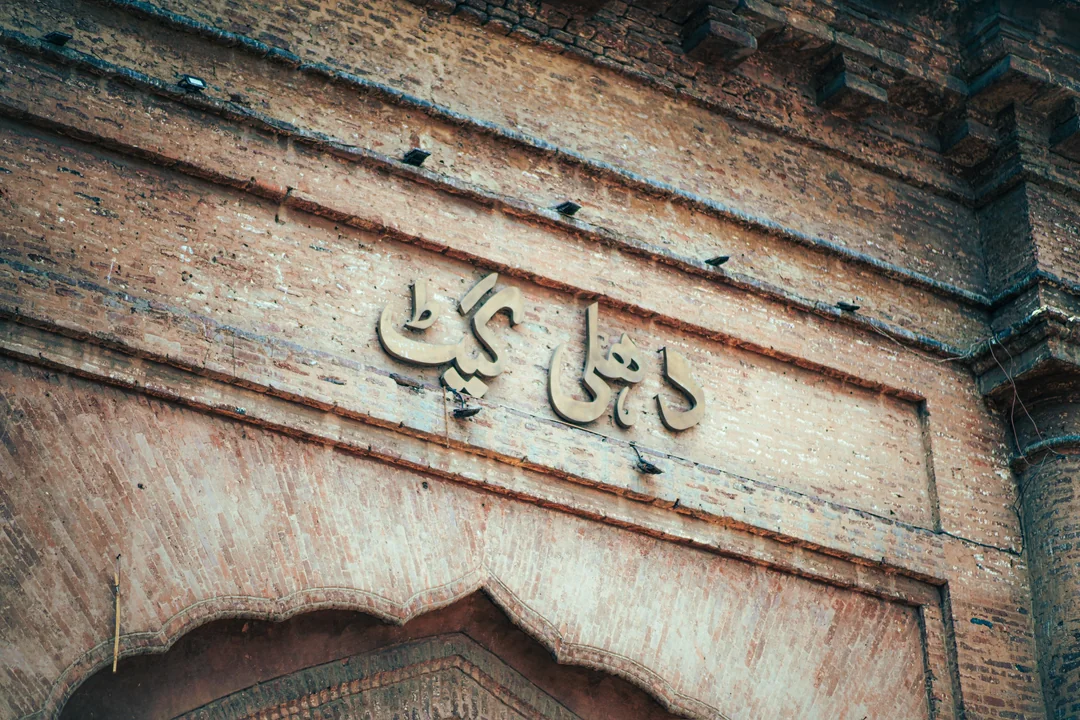
State-led interventions and restoration efforts of historical sites, particularly the Shahi Hammam and the Delhi Gate, undertaken by collaborations between the Walled City of Lahore Authority and the Aga Khan Trust for Culture, reflect a more structured attempt to conserve architectural heritage. These projects signal a shift from neglect to recognition, though their long-term sustainability remains tied to continued investment and public engagement.
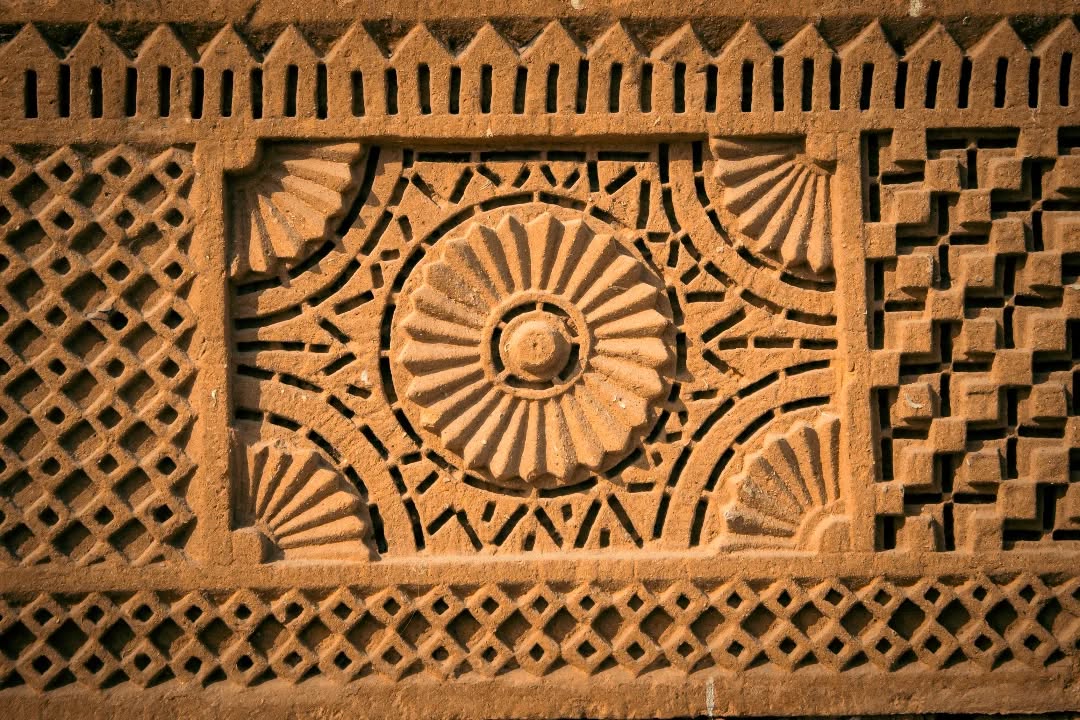
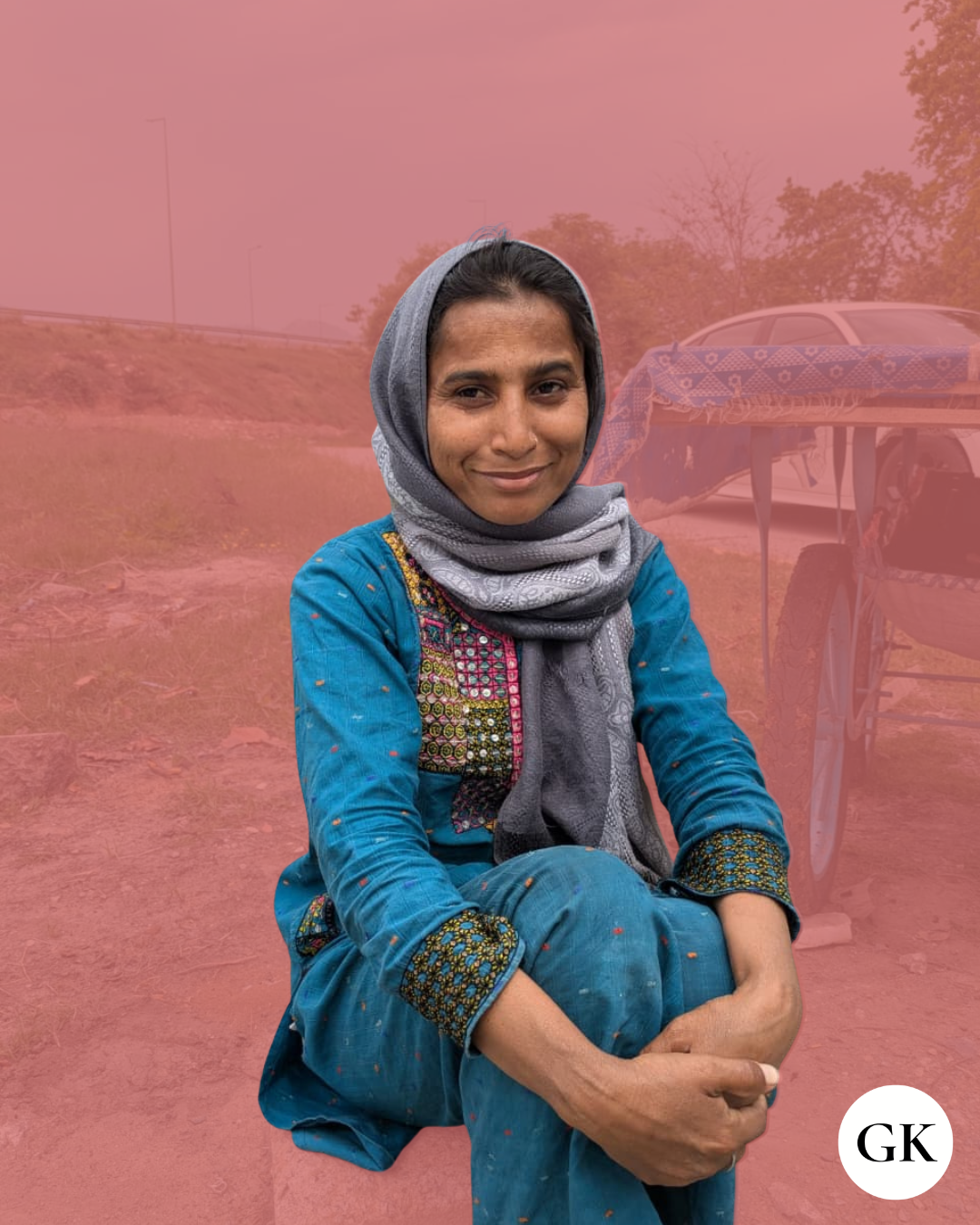
Preservation in Lahore extends beyond institutions, and lives in the hands of its artisans; the craftsmen who continue traditions of fabric printing, pottery, and handloom weaving through generations. Their work carries centuries of South Asian cultural identity, even as it adapts to contemporary tastes. Platforms such as the Daachi Foundation’s annual arts and crafts exhibition showcase this craftsmanship and reposition it within modern cultural economies.
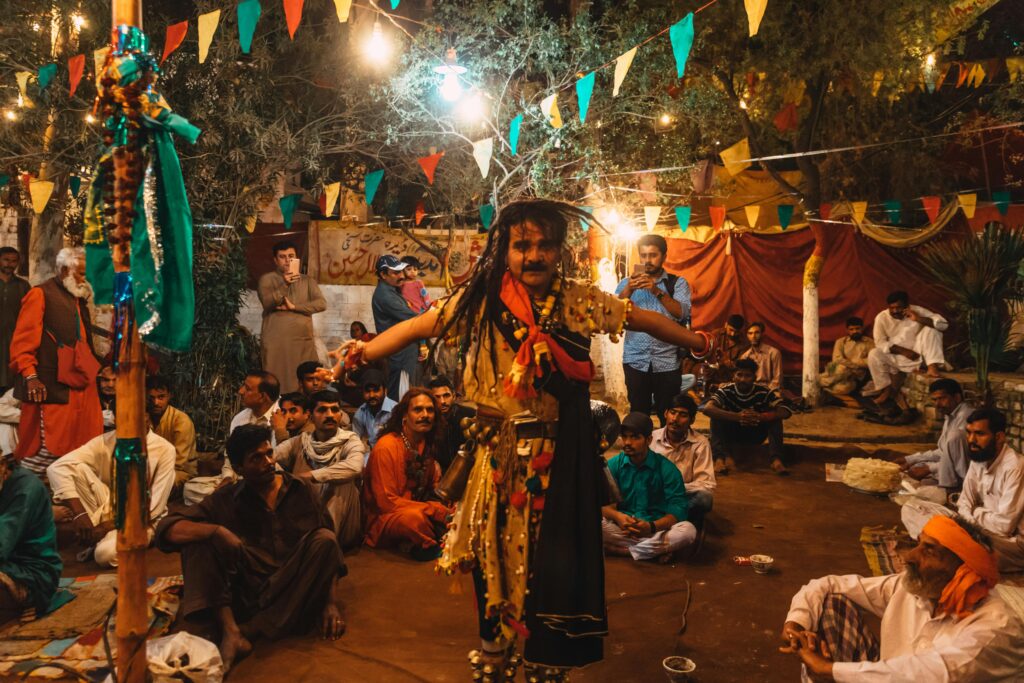
Even spaces of devotion are sites of preservation. The Dhamals at the shrine of Shah Jamal, for instance, are an embodied archive of spiritual and cultural practice.
What emerges from Lahore’s preservation efforts is a fragmented yet resilient ecosystem. One that relies as much on policy and institutions as it does on communities and individual participants. In this sense, preservation in Lahore is less about protecting the past and more about ensuring that the city’s cultural memory remains alive and accessible.
Lahore as a Cultural Force
Lahore’s past does not sit quietly in monuments or museums; it moves through its streets, is performed in its arts, and evolves through conversation and craft. The city produces culture as much as it preserves it. Here, tradition is continually reinterpreted, reimagined, and renewed. In this ongoing cycle, Lahore is the engine that drives Pakistani Art and Culture.

The Gully Kahani Team approaches storytelling as lived observation, blending on-ground reporting with narrative depth and cultural analysis. Each article is shaped through careful research, street-level perspectives, and a commitment to capturing the layered realities of urban Pakistan. The editorial voice prioritizes nuance over simplification, tracing how history, culture, and everyday life intersect in meaningful ways.