Gully Kahani is a Pakistan-based research and media studio. We help organisations understand and communicate the lived realities of the communities they serve through policy research and analysis, media production, community events, consulting, project management, and communication strategy.
Our work began with a magazine of everyday stories from Pakistan’s lanes, markets and workshops, and we still work with that field-first approach. Every project is consent-led, accurate and dignified, and our archive of reporting, portraits and photography is a living record of the communities we document.
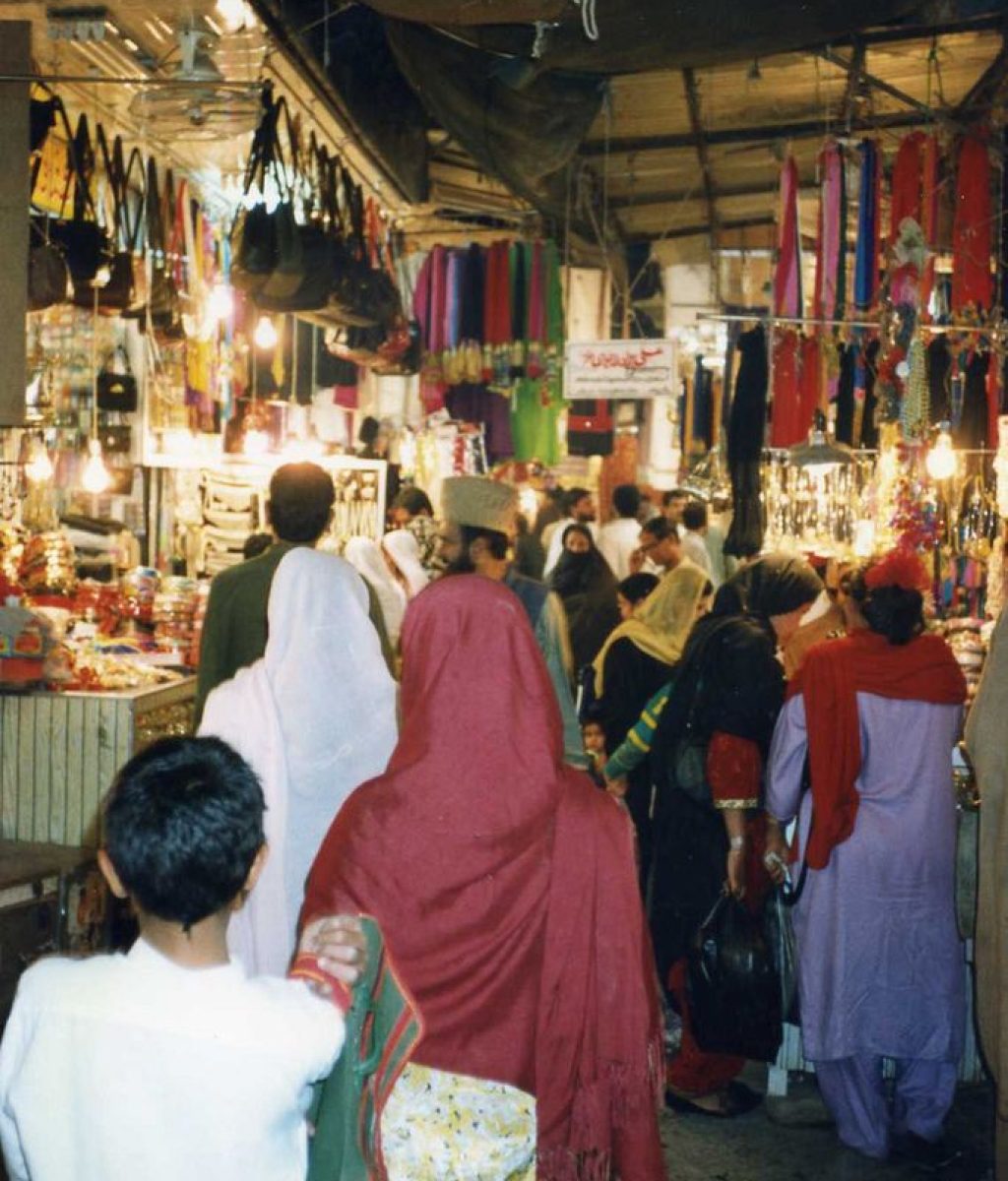
To help organizations understand and communicate the lived realities of the communities they serve. Through rigorous field reporting, ethical storytelling, and high-quality media, Gully Kahani turns real voices into documentation, analysis, and content that is accurate, dignified, and ready to inform decisions.
Gully Kahani operates under a defined editorial framework that governs field reporting, narrative construction, and publication standards. All published work is the result of direct documentation, editorial review, and contextual verification. The editorial process prioritises accuracy, consent, and grounded representation of lived environments.
To be the trusted storytelling partner for organizations working in Pakistan and the wider region: where the people closest to the issues are heard first, and where evidence and narrative work together to drive better programmes, policies, and public understanding.
Early in my career in international development, I spent years in meetings, reading reports, and reviewing indicators. The work mattered, and so did the data. But I kept noticing that some of the most important things I learned never made it onto the page: the conversation over chai at a street corner, the detail a community member shared only after the formal interview ended, the rhythm of daily life that no framework was designed to capture.
In a country of over 250 million people, there are 250 million stories. Programmes work best when they are shaped by the people they serve, and that requires understanding lived experience with the same rigour we bring to data.
That is why I started Gully Kahani. We are a Pakistan-based storytelling and documentation practice that combines on-the-ground reporting with ethical, high-quality media. Every story we produce is built on consent, accuracy, and dignity, and is designed to be as useful to a decision-maker as it is moving to a reader.
Our magazine and archive show how we work.
Yusra Fatima, Founder and Editor
Browse our story archive by the topic of your choice
All narratives are grounded in direct field observation. Our archive avoids reconstruction that is not supported by lived context.
Our work reflects multiple realities, documenting across class, regions, gender, and generations.
All field reporting is conducted with consent, accuracy, and contextual responsibility. Individuals are represented as complete subjects within their environments. Every fact is checked, and every line is written with responsibility.
Every individual documented in Gully Kahani is treated as a complete human being, never reduced to a case study, a symbol, or a narrative device.
Each narrative is situated within its social, economic, and structural environment to ensure clarity of meaning beyond isolated events.
Narrative documentation is treated as a record-making process. Each publication is approached with institutional responsibility toward subject, context, and reader.
Tell us about your organization and project using the enquiry form below.
For story contributions, email publish@gullykahani.com.